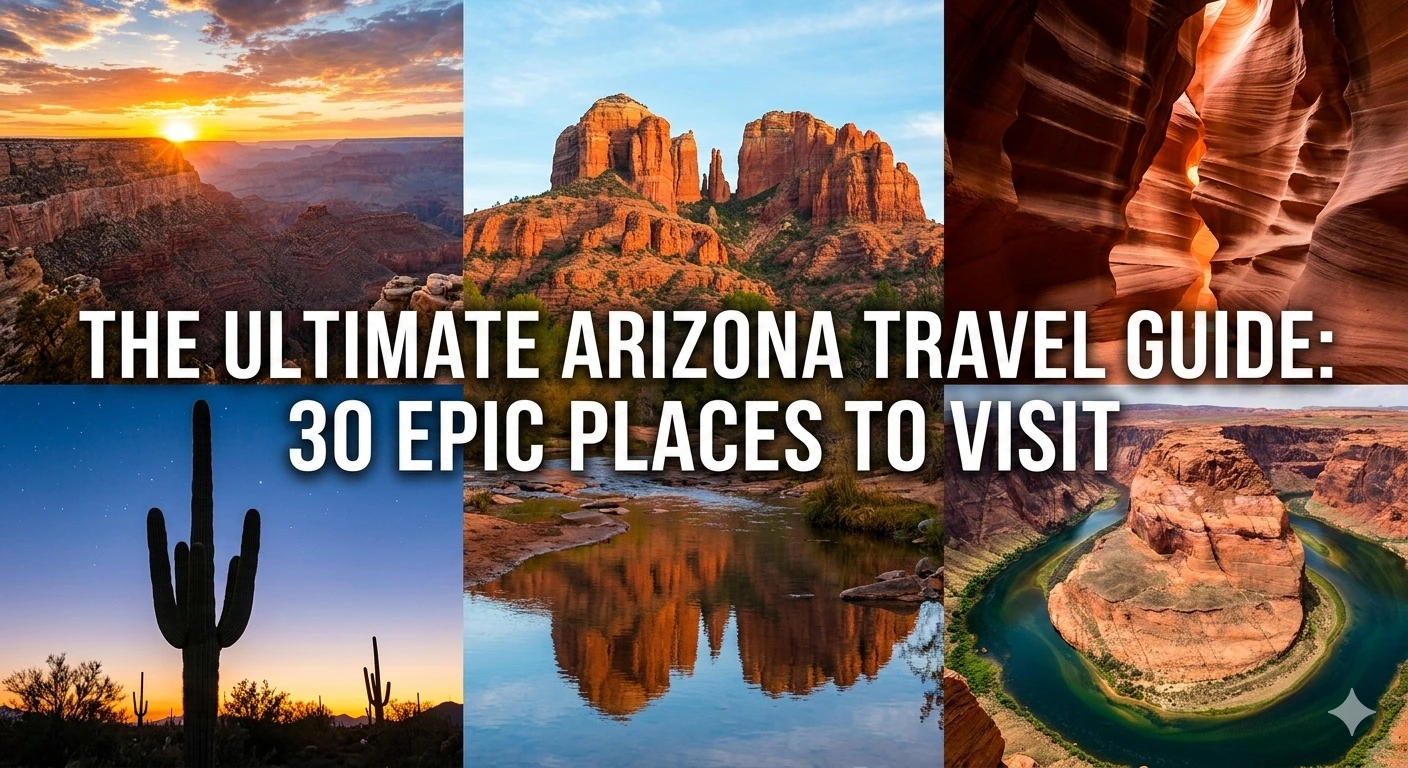
The Ultimate Arizona Travel Guide: 30 Epic Places You Must Visit in Arizona
Welcome back, guys! We’re diving deep into the ultimate adventure: Arizona. This isn’t just a list of places to visit in Arizona; it’s a personalized journey through a landscape that humbles, inspires, and connects you directly to ancient history and raw, natural wonder.
From the world’s deepest canyons to giant Saguaro deserts and turquoise waterfalls, I’ve curated a comprehensive guide to 30 spectacular places to visit in Arizona. Also categorized them so you can easily plan your perfect Southwest road trip.
Part 1: The Iconic Arizona “Big Seven”
You can’t say you’ve been to Arizona without checking these world wonders off your bucket list.
1. Grand Canyon National Park (South Rim)
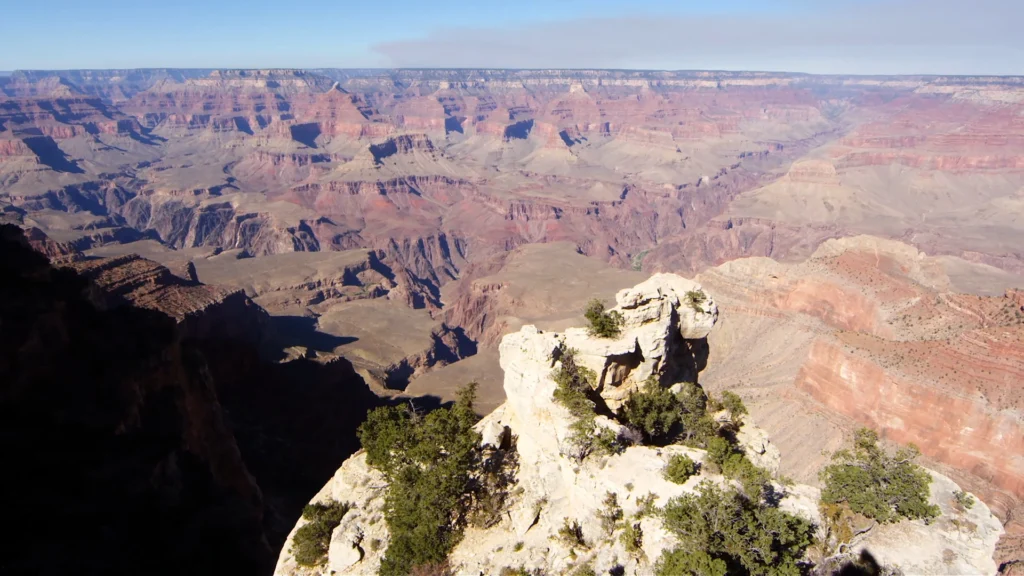
This is one of the most recognizable features on Earth from space and undoubtablly crown jewel when it comes to places to visit in Arizona. The sheer scale is difficult to grasp. The whole National Park Spanning 277 miles in length, up to 18 miles in width, and over a mile deep, this natural wonder in northern Arizona is not only a UNESCO World Heritage Site but also a geologic masterpiece.
Carved over millennia by the Colorado River, the canyon exposes nearly 2 billion years of Earth’s geologic history. It is a geological masterpiece, sacred ground to eleven affiliated tribes, and home to clean air, fossils, and hidden caves.
- Best For: The classic viewpoints (Mather Point, Desert View) and major trails (Bright Angel, South Kaibab).
- Best Time: Late April or October to avoid the 100°F+ heat in the inner canyon.
- Tip: Use the free shuttle bus. Parking is a nightmare by 10:00 AM. Catch the sunset at Hopi Point—it’s unmatched.
2. Grand Canyon National Park (North Rim)
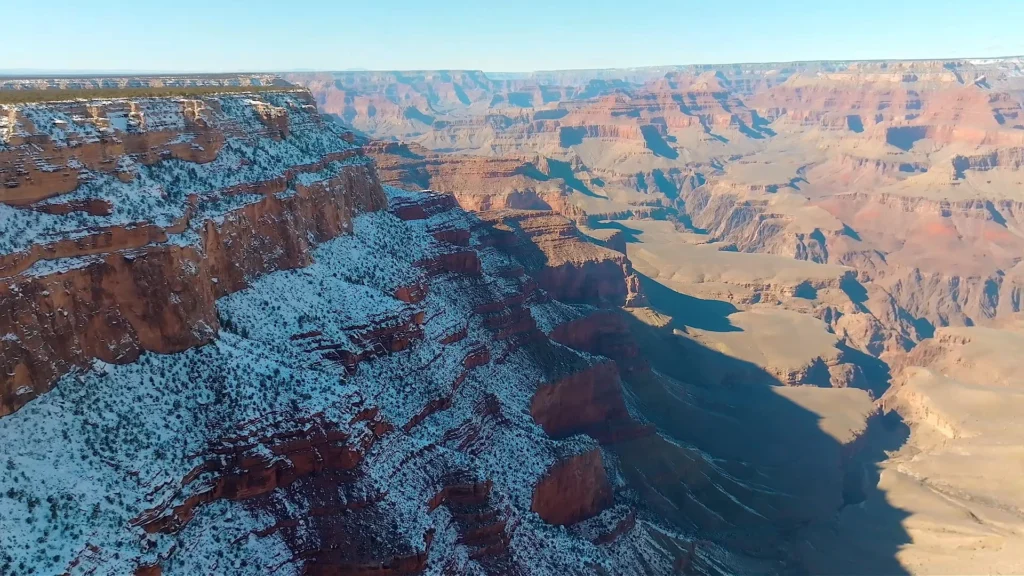
Providing a completely different perspective, the North Rim is cooler, quieter, and more secluded. It sits 1,000 feet higher than the South Rim and receives heavy snow, making it a summer-only destination.
- The Vibe: Higher elevation, pine forests, and 90% fewer people.
- Best Time: June–August (it’s 10°F cooler than the South Rim).
- Tip: It’s only open May 15–Oct 15. Book the North Rim Lodge a year in advance—literally.
3. Antelope Canyon
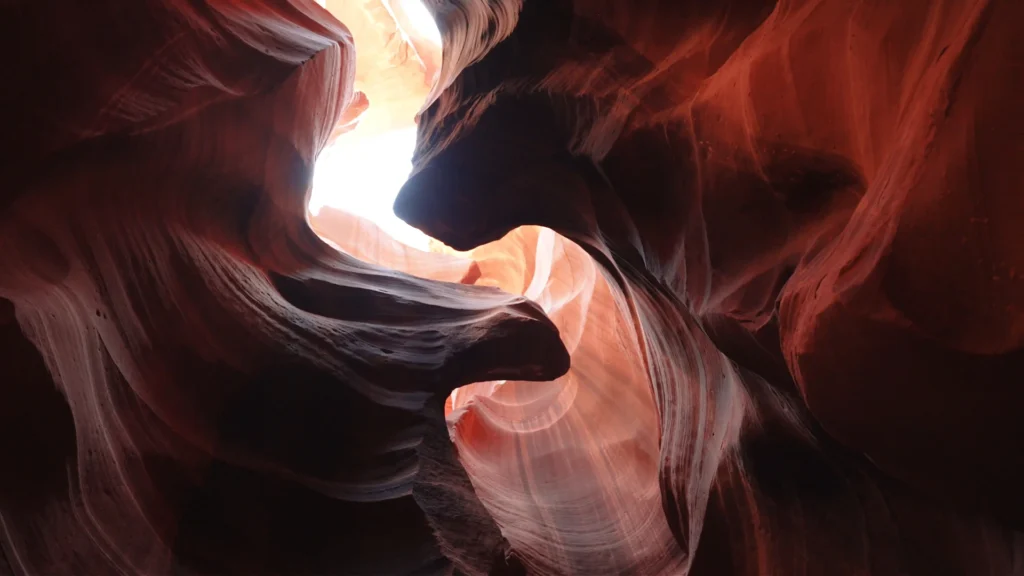
This mesmerizing, wave-like sandstone walls, was sculpted by nothing more than water and wind over thousands of years.
This slot canyon near Page is a masterpiece of light and form, sculpted from sandstone by ancient flash floods. It is another popular places to visit in Arizona. It is famously split into Upper Antelope (known for the light beams) and Lower Antelope (known for its ladders and adventures). Importantly, must be visited with a Navajo guide.
- Best Time: 11:00 AM – 1:30 PM (for the light beams).
- Tip: You must book a Navajo-led tour months ahead. Upper is better for light beams; Lower is better for fun ladders and narrow spots.
4. Horseshoe Bend
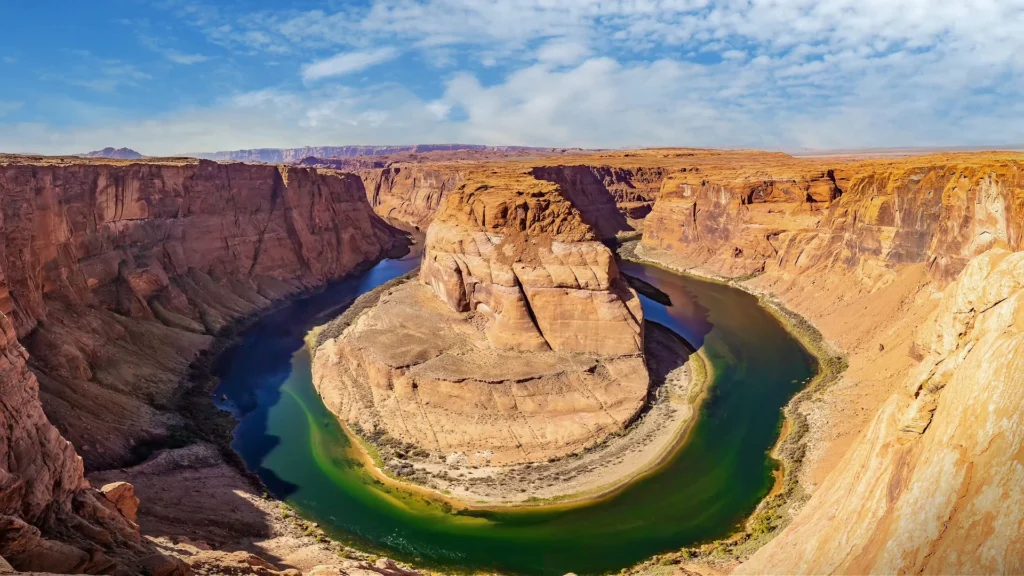
Relentless power of the Colorado River over millions of years formed this iconic curve.
Located just downstream from the Grand Canyon. This 270-degree curve of the emerald-green Colorado River is carved into brilliant red sandstone.
Standing 1,000 feet above the drop, it offers one of the most memorable and photogenic views in the Southwest.
- Best Time: Sunset is iconic, but 10:00 AM offers the best light for the river colors without shadows.
- Tip: It’s a $10 parking fee now. Bring water; even the short 1.5-mile round trip is brutal in the sun.
5. Monument Valley Navajo Tribal Park
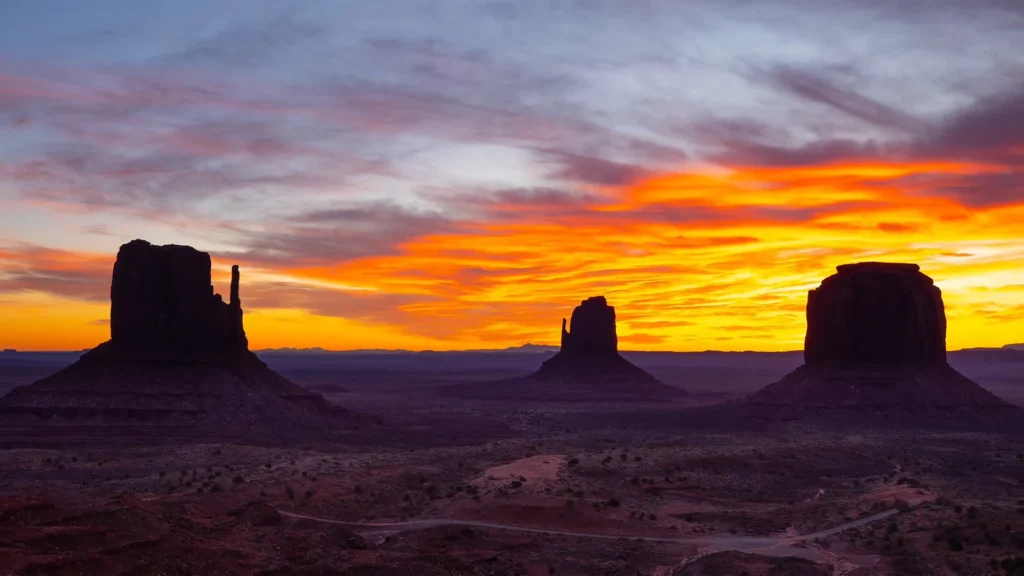
Welcome to the setting of countless classic Western movies.
Located on the border of Utah and Arizona, this iconic landscape with massive, sacred buttes belongs to the Navajo Nation, who manage and protect it as Monument Valley Navajo Tribal Park.
The formations are estimated to be over 190 million years old.
Visiting Monument Valley is like stepping back in time; the formations are estimated to be over 190 million years old
- Best Time: Fall. The air is crisp and clear for photography.
- Tip: Take the 17-mile Valley Loop Drive, but if you want to see the “hidden” back-country arches, you’ll need to hire a local guide.
6. Petrified Forest National Park
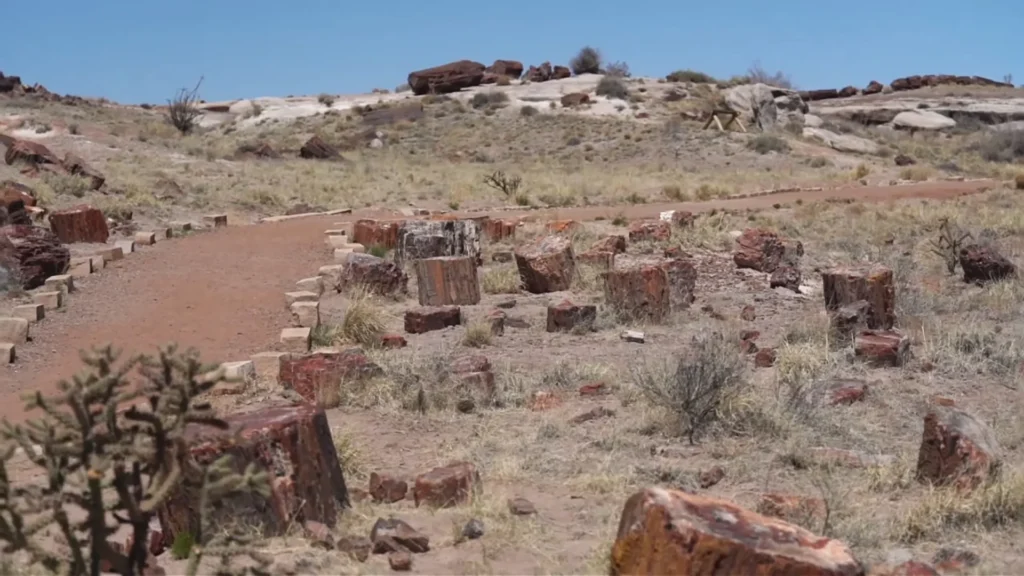
This stunning park preserves one of the largest and most colorful collections of petrified wood in the world.
Located in northeastern Arizona, this 220,000-acre park is a geological and historical treasure. Ancient logs have been transformed into stone over the course of 225 million years
Imagine walking among ancient fossilized trees, which glitter with vibrant hues of red, yellow, purple, and blue from embedded quartz crystals that have literally turned into glittering quartz crystals over 225 million years.
- Best Time: Winter or Spring.
- Tip: Don’t take even a tiny pebble of wood. It’s illegal, and legend says it brings a curse!
7. The Painted Desert
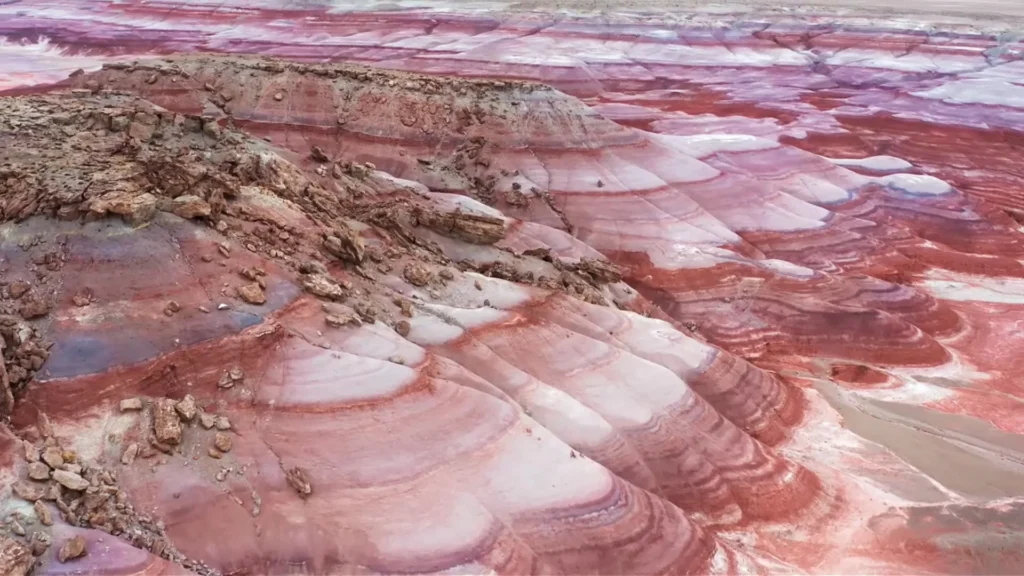
Adjacent to Petrified Forest NP, this vast expanse of colorful badlands located in the Four Corners region of the United States.
This extraordinary landscape, part of the larger Colorado Plateau. Gets its name from the vibrant hues of red, orange, pink, lavender, and gray that seem to shift throughout the day as sunlight dances across the rocky terrain. It is one the most coloful places to visit in Arizona.
Its geological history spans over 200 million years. Area was home to the ancestral Puebloan people and later became an important region for the Hopi and Navajo tribes.
- Best Time: Late afternoon. The shadows make the colors pop.
- Tip: This is inside the Petrified Forest NP. Stop at the Painted Desert Inn for a dose of 1920s history.
Part 2: Sedona’s Red Rock Magic
Sedona is a world unto itself, famous for dramatic red sandstone formations and spiritual energy “vortexes.”
It is where hikers and healers meet. It’s famous for “vortexes”—spots where the earth’s energy is supposedly extra strong.
Best Overall Time to travel is March–May for wildflowers or October for perfect hiking weather.
8. Cathedral Rock
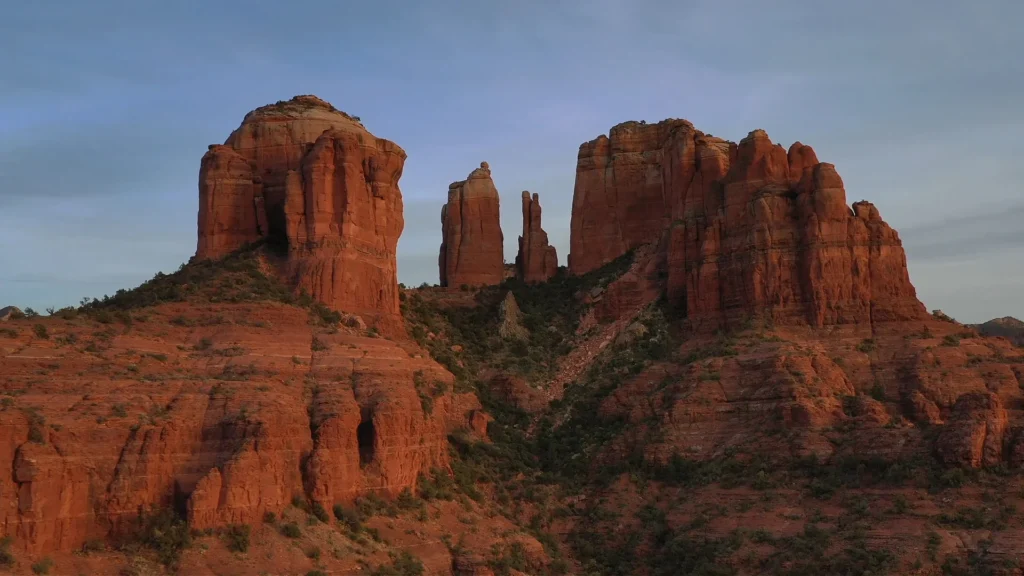
This is the Sedona’s most iconic landmark. This magnificent spire rises dramatically from the desert and is one of the most photographed sites in Arizona. It is said to be a powerful energetic vortex.
This breathtaking sandstone formation, rising dramatically from the desert floor, is one of the most photographed sites in Arizona and a symbol of the region’s unique natural beauty.
A Nature Preserve perfect for scenic hikes (like Eagle’s Nest Trail) with sweeping vistas of Sedona’s red rocks and the surrounding riparian habitat along Oak Creek.
9. Red Rock State Park
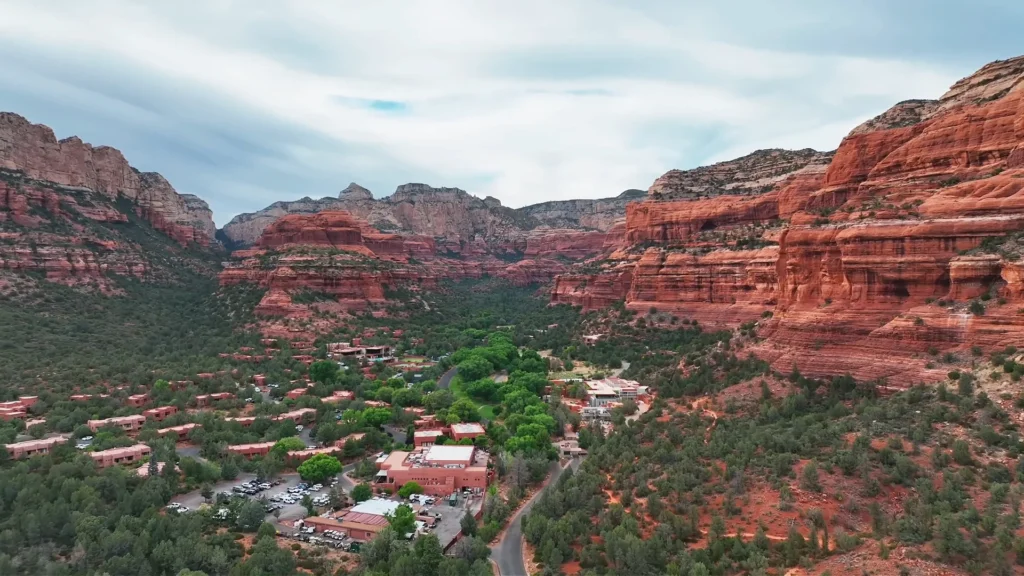
This 286-acre nature preserve is home to some of the most awe-inspiring sandstone formations and offers a glimpse into Arizona’s diverse landscape.
The park’s striking red rocks, which give it its name, are iconic landmarks in northern Arizona and serve as a perfect backdrop for exploring the area’s natural and cultural history.
Perfect for a more relaxed day. The trails here wind along Oak Creek, providing a rare (and beautiful) splash of green against the red.
- Tip: Visit on a weekday. The “Eagle’s Nest” trail gives you a 360-degree view of the whole valley.
10. Bell Rock
You can’t miss this one—it’s shaped exactly like its name. It’s a massive bell shape and reputation as a strong “Up-flow” spiritual vortex. So don’t be surprised if you see people meditating at the base.
Many people believe the rock radiate powerful healing energy from the ground.
The hike is relatively easy and accessible and the views are breathtakingly amazing.
11. Devil’s Bridge
Well, what is the point of visiting Sedona without exploring the Devil’s Bridge? This is the largest natural sandstone arch in the Sedona area. You can walk across the bridge and enjoy the panorama of the breathtaking surroundings. This is one of the unique places to visit in Arizona.
Devil’s Bridge trail is around 4.6 mile from the parking lot, and it is a moderate photogenic hike.
Tip: Start your hike by 6:00 AM. By 9:00 AM, there is usually a 45-minute wait just to take a photo on the bridge.
Part 3: Southern Arizona & the Sonoran Desert
Now we are going to explore the dense cactus forests and unique ecosystems surrounding Tucson.
12. Saguaro National Park (West District)
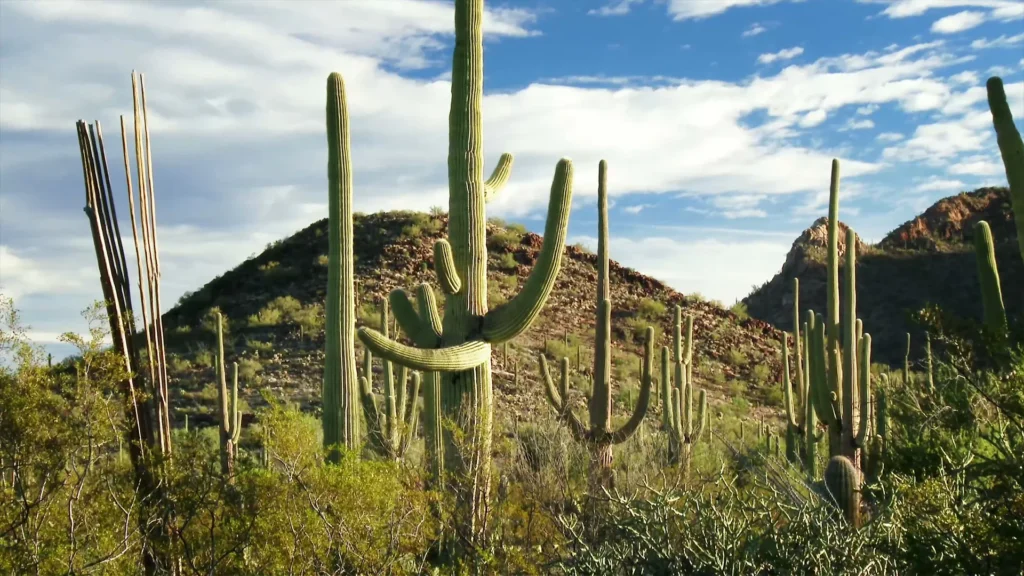
Do you want to see the largest cacti in United States? The this is the park to visit.
The park is home to the dense “forests” of the largest cacti in the United States, the saguaro, a symbol of the American Southwest. These giants can grow 40 feet tall and live for over 150 years.
Located near Tucson in Arizona, this unique national park is split into two districts: the Rincon Mountain District to the east and the Tucson Mountain District to the west. Together, they protect over 90,000 acres of pristine Sonoran Desert, offering one of the most bio-diverse deserts in the world. This is one of the not to miss places in Arizona.
- Tip: This side has the dense “forests.” Go to Signal Hill to see ancient petroglyphs (rock art) among the cacti. Drive the Cactus Forest Loop at sunset for incredible silhouettes.
13. Sabino Canyon Recreation Area
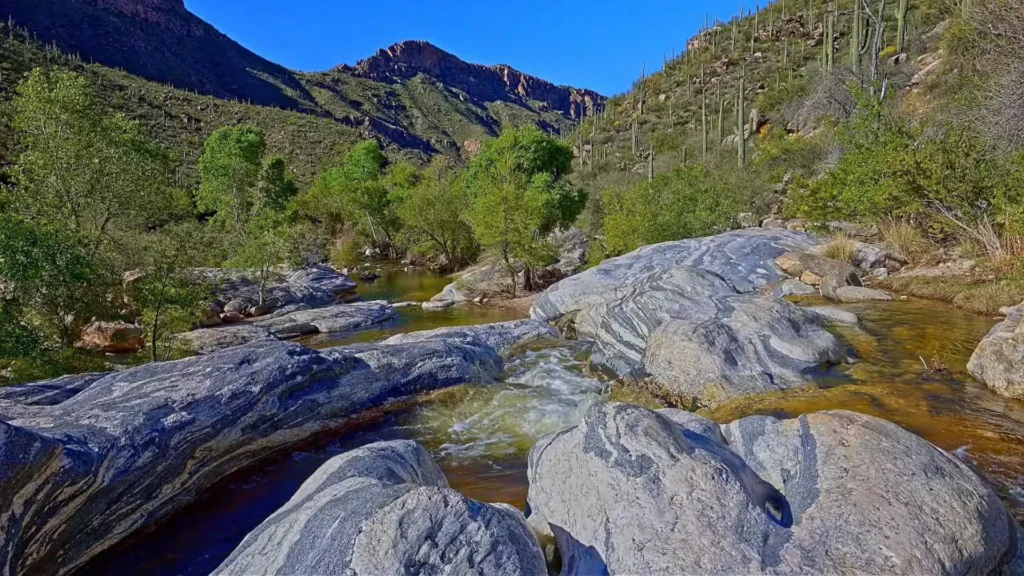
This was once submerged under a prehistoric sea. Today, it’s an arid oasis located in the Santa Catalina Mountains and the Coronado National Forest north of Tucson. Water flows here year-round, sustaining lush greenery, waterfalls, and pools where you can escape the desert heat.
You can explore Sabino Canyon through an extensive network of trails or by riding the narrated shuttle that winds through its rugged terrain. The Seven Falls Trail is particularly popular, leading through a series of cascading waterfalls.
- Tip: Take the “Crawler” (electric tram) to the top and hike your way back down. It saves your energy for the best swimming holes.
Part 4: Arizona’s History & Cultural Monuments
Arizona’s story started thousands of years ago. So here are some sites preserve the ingenuity of the ancestors of modern Native American tribes.
14. Canyon de Chelly National Monument
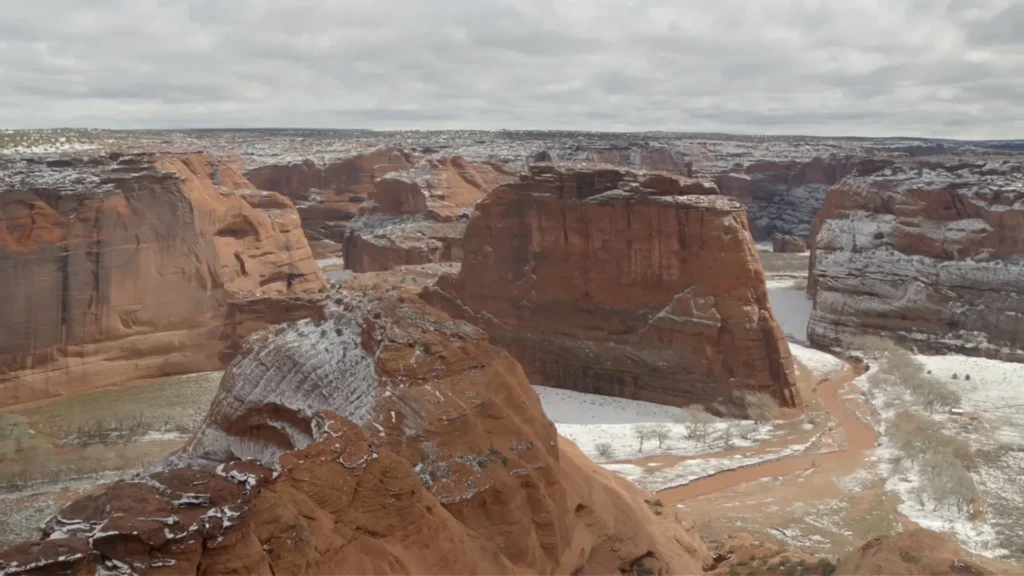
Did you know that Canyon de Chelly National Monument is one of the longest continuously inhabited landscapes in North America?
Located in northeastern Arizona on Navajo Nation land, this breathtaking canyon features petroglyphs, ancient cliff dwellings, and the 800-foot-tall Spider Rock spire, home of Spider Woman in Navajo legend.
- Tip: You can drive the rims for free, but you need a Navajo guide to go down into the canyon floor. It’s worth every penny.
15. Montezuma Castle National Monument
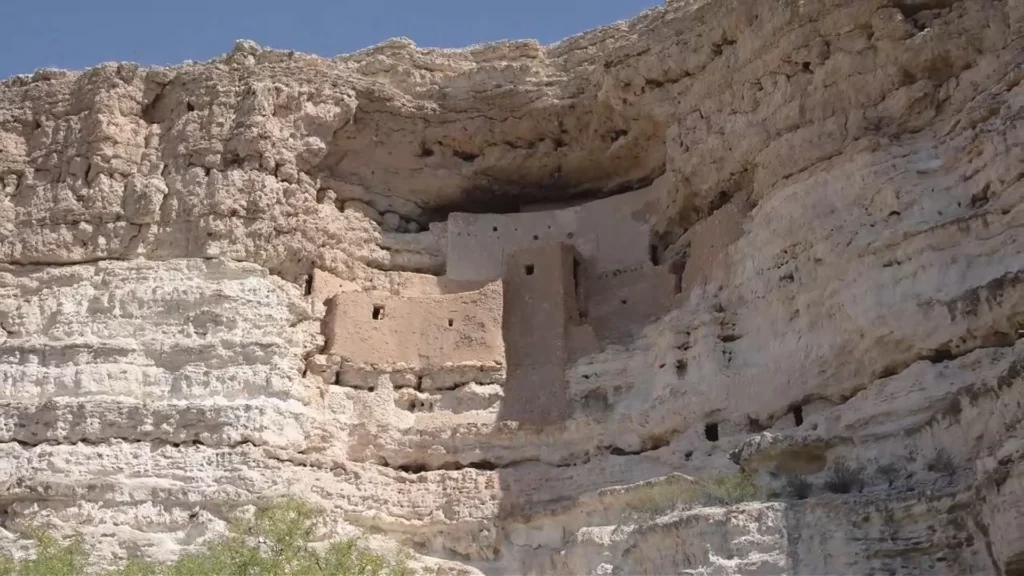
Well, even-though incorrectly named by early explorers as a castle, this is not a castle and was not built by Aztecs. It is a stunning 5-story, 20-room structure built into a limestone cliff by the Sinagua people 700 years ago.
Perched 100 feet above the valley floor, it is, in fact, a testament to the ingenuity of the Sinagua, who thrived in the Verde Valley from approximately 1100 to 1400 CE.
- Tip: You can’t enter the rooms anymore (to preserve them), but bring binoculars to see the incredible detail in the cliff-side masonry.
16. Walnut Canyon National Monument
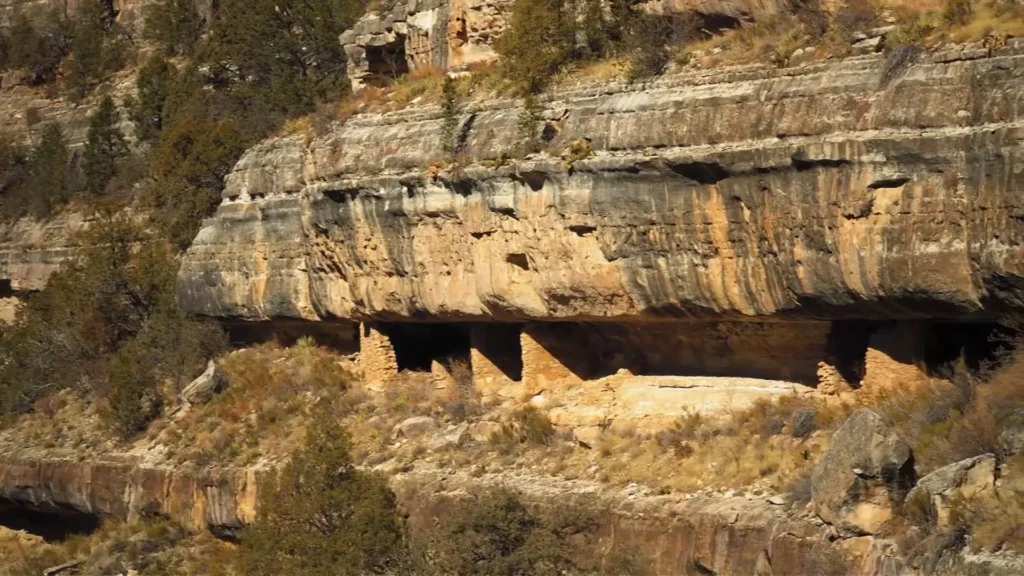
Located near Flagstaff, this canyon is dotted with ancient cliff dwellings.
The highlight of Walnut Canyon is the Island Trail, which takes you past 25 well-preserved Sinagua homes built 800 years ago and descends into the canyon and offers an up-close view of these cliff dwellings.
- Tip: The “Island Trail” has 240 stairs. It’s easy going down, but remember you have to come back up at 7,000 feet elevation!
17. Tuzigoot National Monument
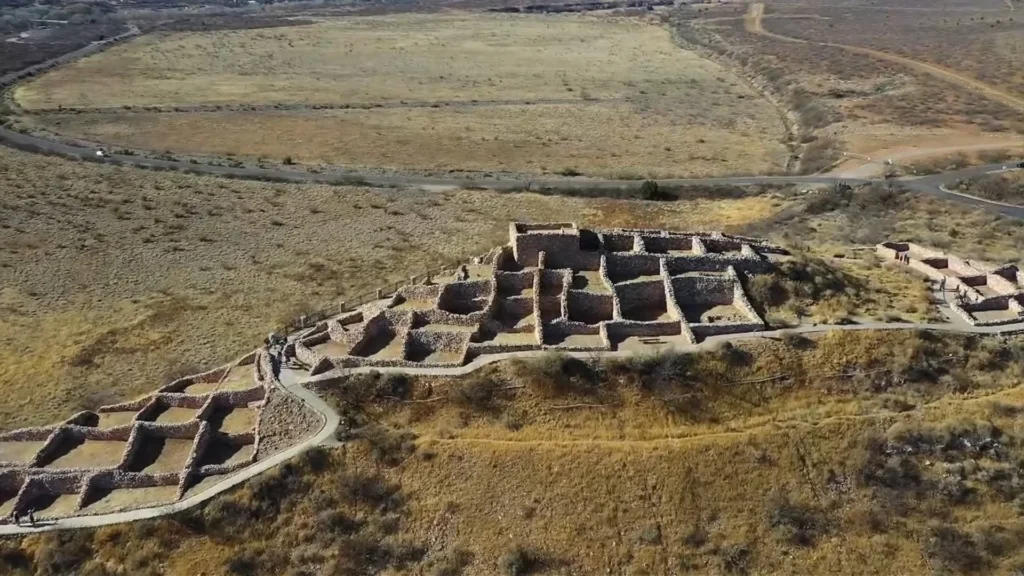
Located near Clarkdale in central Arizona’s Verde Valley, Tuzigoot. It’s name means “crooked water” in the Apache language.
The site is believed to be constructed between 1100 and 1400 CE, the pueblo originally consisted of over 100 rooms spread across multiple stories, making it one of the largest Sinagua settlements in the region.
You can walk through reconstructed portions of the pueblo, including rooms with stone walls and central gathering spaces.
18. Wupatki National Monument
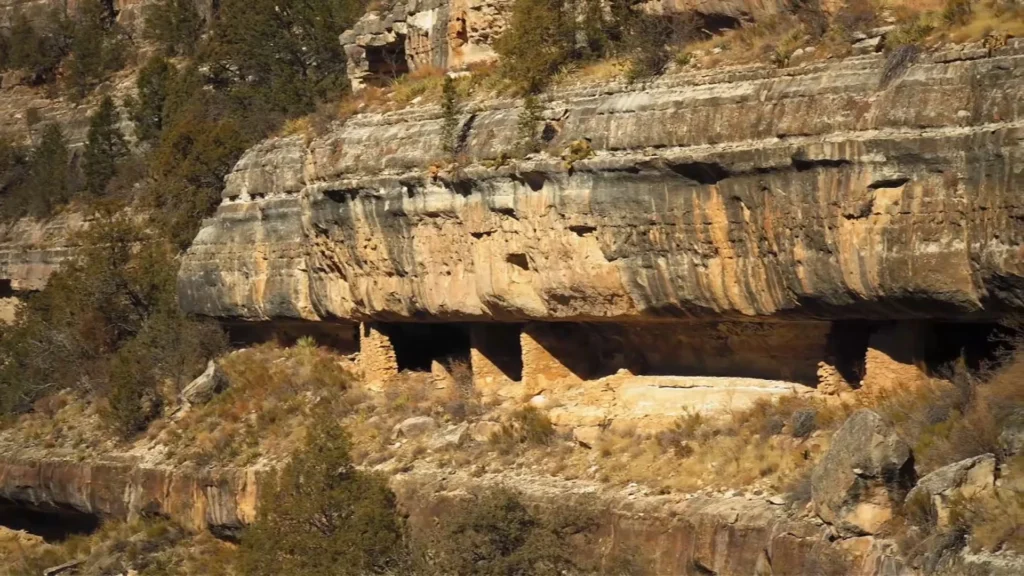
Located just north of Flagstaff, this remarkable site preserves a network of over 2,600 archaeological structures scattered across the high desert, with the Wupatki Pueblo as its centerpiece. This massive, multi-story structure once housed up to 100 people and includes more than 100 rooms, ball courts, and even a community gathering area, showcasing the architectural and social sophistication of its builders.
- Tip: Use the “National Park Pass” (America the Beautiful) to cover entry for cover both Tuzigoot and Wupatki monuments.
Part 5: Engineering Marvels, Water, & Unique Landscapes
Where the massive scale of human ambition meets unique geological formations.
19. Hoover Dam
Did you know that it was constructed during the Great Depression, providing thousands of jobs and hope to struggling Americans?
One of America’s greatest engineering marvels, the Hoover Dam changed the face of the Southwest forever. That why Hoover dam is a one of must visit places in Arizona.
Spanning the Colorado River at the NV/AZ border, this colossal concrete structure was completed in 1936.
The dam’s creation formed Lake Mead, the largest reservoir in the U.S., which supplies water and electricity to millions of people in Nevada, Arizona, and California.
- Tip: Walk the Mike O’Callaghan-Pat Tillman Memorial Bridge for the best “looking down” view of the dam.
20. Lake Mead National Recreation Area
This is the largest reservoir in the United States, offers much more than just water in the desert; it’s a marvel of engineering, a recreational hotspot, and a crucial water source for millions.
Lake was formed by Hoover Dam and it is the nation’s first national recreation area. A major hub for boating, fishing, and camping across 1.5 million acres.
But did you know that under its surface lie remnants of ghost towns flooded when the lake filled, including the town of St. Thomas, which resurfaces during droughts?
21. Lake Powell
Created by the Glen Canyon Dam, this man-made lake is a stunning contrast of azure water against brilliant red sandstone canyons.
Lake Powell stretches across the Utah-Arizona border, expanding over 186 miles of shoreline, canyons, and hidden grottoes for adventurers.
Named after explorer John Wesley Powell, who famously navigated the Colorado River in the 19th century, the lake has become a top destination for boating, fishing, and kayaking.
- Tip: For Lake Powell, rent a kayak and paddle into Antelope Canyon from the water side—no tour guide required!
22. Meteor Crater
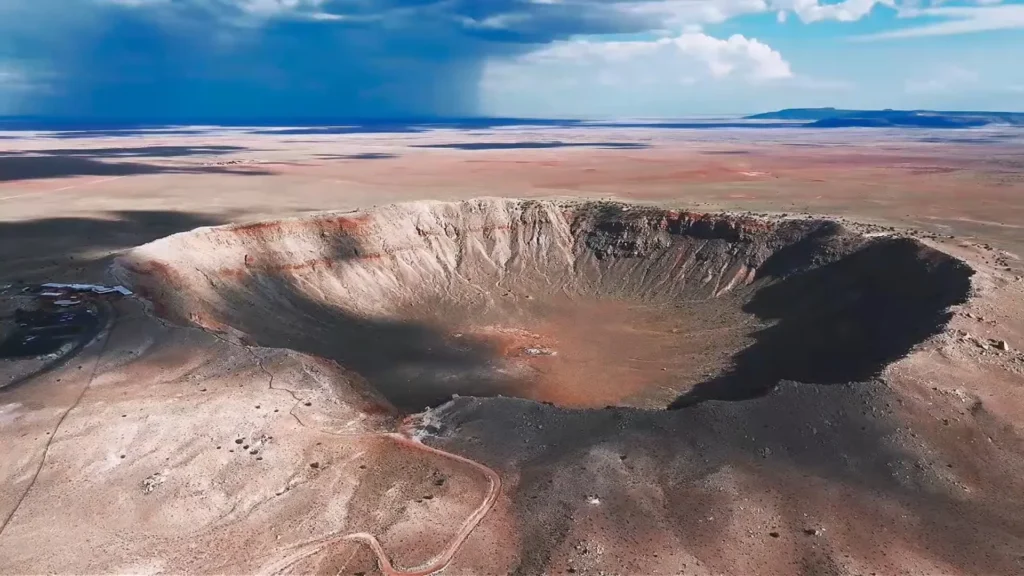
The best-preserved meteorite impact crater on Earth. Located near Winslow, this massive crater was formed 50,000 years ago by a 150-foot-wide nickel-iron meteorite, the crater is nearly a mile wide and 560 feet deep.
Crater’s scientific importance cannot be overstated. It was one of the first sites on Earth definitively proven to be the result of an extraterrestrial impact. Site has been used for NASA training. that’s why Meteor Crater is one of the unique places to visit in Arizona.
- Tip: It’s privately owned, so the National Park pass won’t work here. The indoor museum is world-class and air-conditioned.
Part 6: Adventure & Urban Peaks (Phoenix Area)
Hiking adventures directly from the capital city.
23. Camelback Mountain
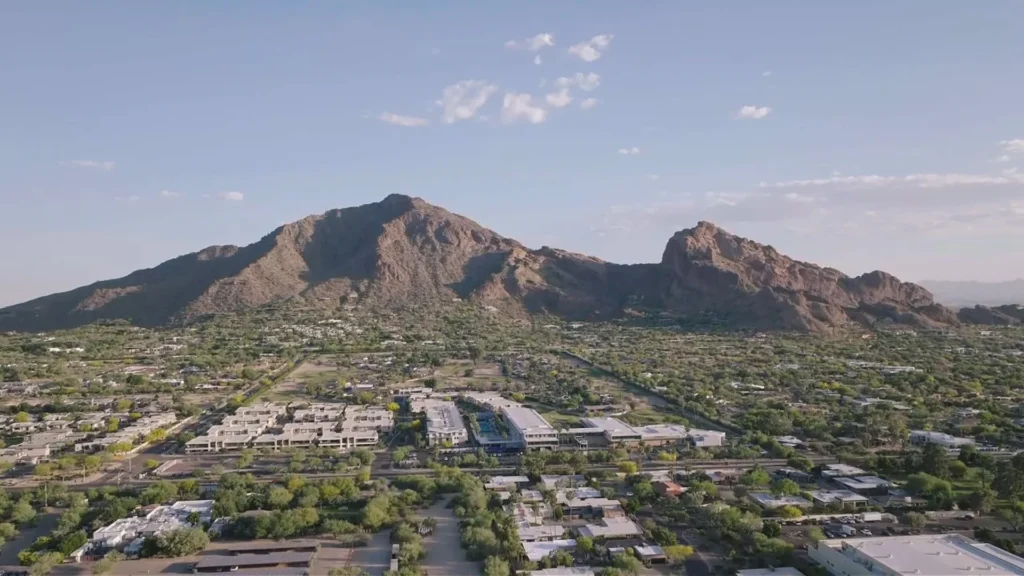
The Camelback Mountain gets its name from its uncanny resemblance to a camel lying down.
Rising 2,704 feet above sea level, it is defining feature of Phoenix. This challenging climb is famous for its two trails (Echo Canyon and Cholla) and uncanny resemblance to a kneeling camel.
Camelback Mountain consists of two main rock formations: the “hump,” made of Precambrian granite over 1.5 billion years old, and the “head,” composed of red sandstone from a much younger geological period. This blend of ancient and newer rock formations makes the mountain a fascinating site.
- Tip: Do not underestimate this hike. It’s steep and dangerous if you aren’t hydrated. Only hike between November and March.
24. Pinnacle Peak Park
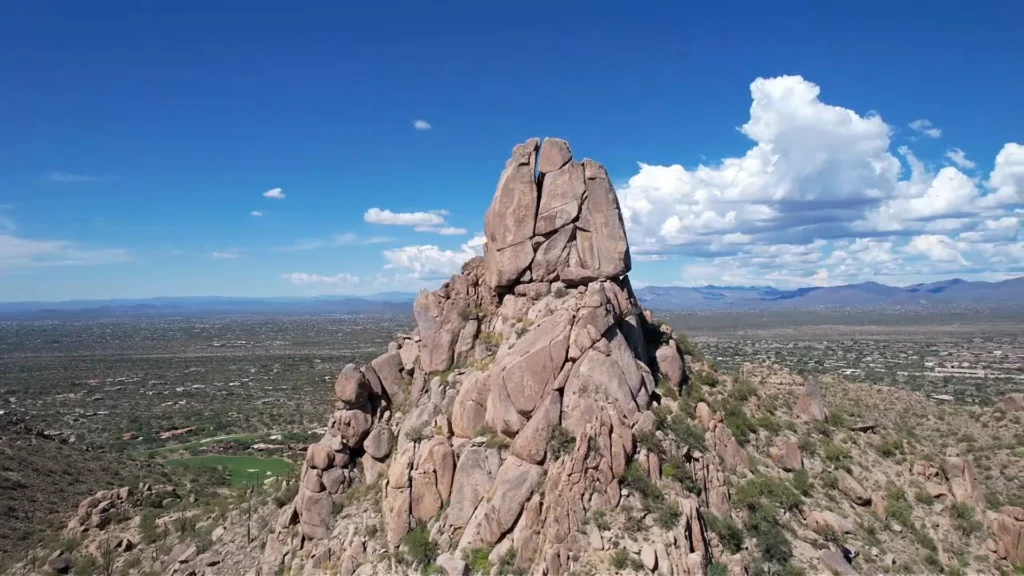
A stunning moderate hike through massive granite boulders in Scottsdale, rises 3,169 feet above sea level and offering excellent views of the surrounding Sonoran Desert.
The well-maintained Pinnacle Peak Trail provides a moderate 3.5-mile round-trip hike with incredible views of the surrounding Sonoran Desert and the cityscape below.
25. Superstition Mountains
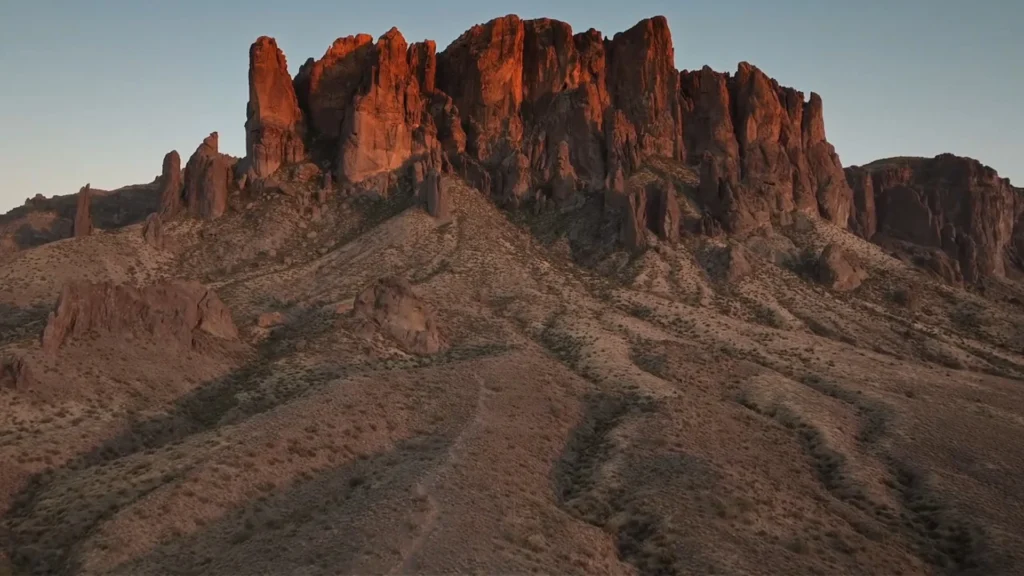
Have you ever heard of the legendary Lost Dutchman’s Gold Mine, said to be hidden somewhere in the rugged expanse of the Superstition Mountains?
East of Phoenix, these rugged mountains hold deep Apache cultural significance. Home to the legendary Lost Dutchman’s Gold Mine, they are remnants of a 25-million-year-old volcanic caldera.
The mountains hold deep cultural significance, particularly for the Apache people, who believe the range is sacred and home to spirits. According to Apache lore, the entrance to the underworld.
- Tip: Visit Lost Dutchman State Park in the spring. If we’ve had rain, the base of the mountains turns bright gold with wildflowers.
Part 7: Remote Gems & Hidden Treasures
These locations require more planning but offer spectacular rewards.
26. Havasu Falls
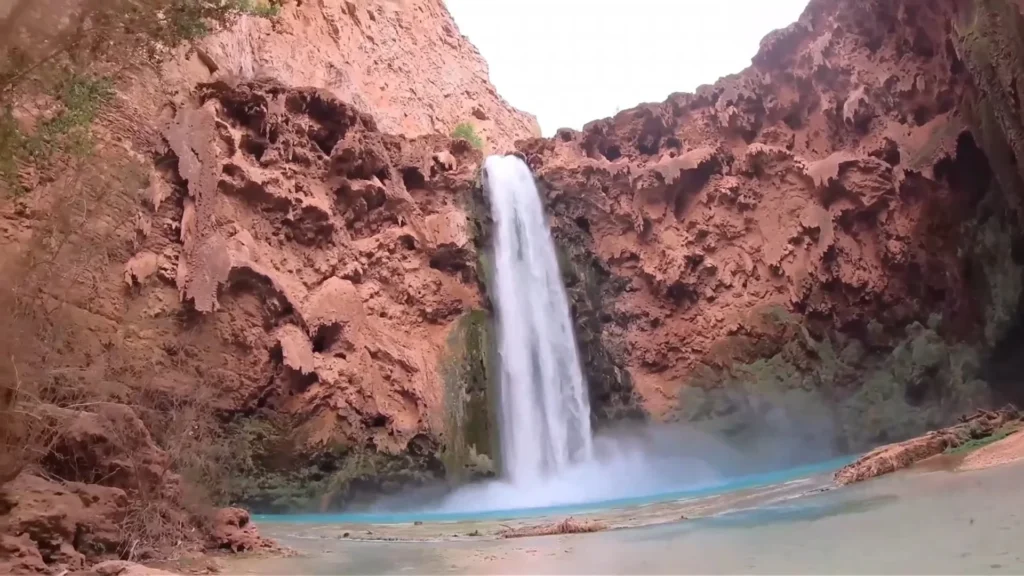
Nestled within the remote Havasu Canyon, a tributary of the Grand Canyon, the Havasupai Reservation is home to one of the most stunning natural landscapes in the world. This landscape is definitely one of the most beautiful places to visit in Arizona.
Famous for dramatic turquoise waterfalls that owe their color to high calcium carbonate concentrations. Note: Highly restricted permits and the Havasupai Reservation is only accessible by foot, horseback, or helicopter, with the hike to the village of Supai covering 8 miles.
- Best Time: May or September.
- Tip: Permits are sold via a lottery in February and sell out in minutes. Check the “cancellations” page on their official site if you missed out.
27. Tonto Natural Bridge State Park
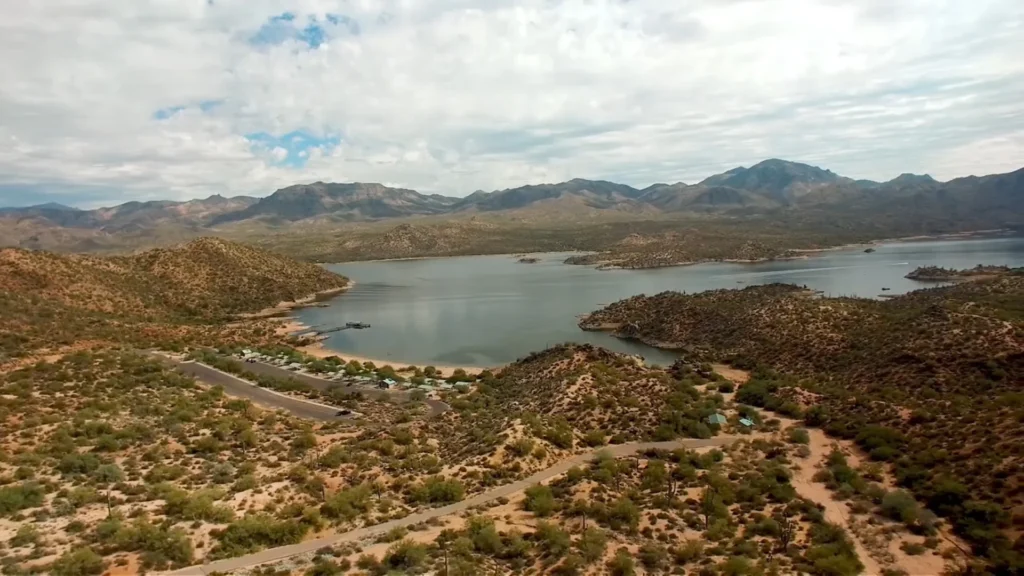
This is the fifth-largest national forest in the United States, spanning nearly 3 million acres and encompassing some of the most diverse landscapes in Arizona.
Home to the world’s largest natural travertine bridge. You can walk inside and under the bridge to experience the cool mist and unique geological formation.
- Tip: Wear water shoes. You can walk right under the waterfall “mist” inside the bridge, and the rocks are slippery.
28. Vermilion Cliffs National Monument
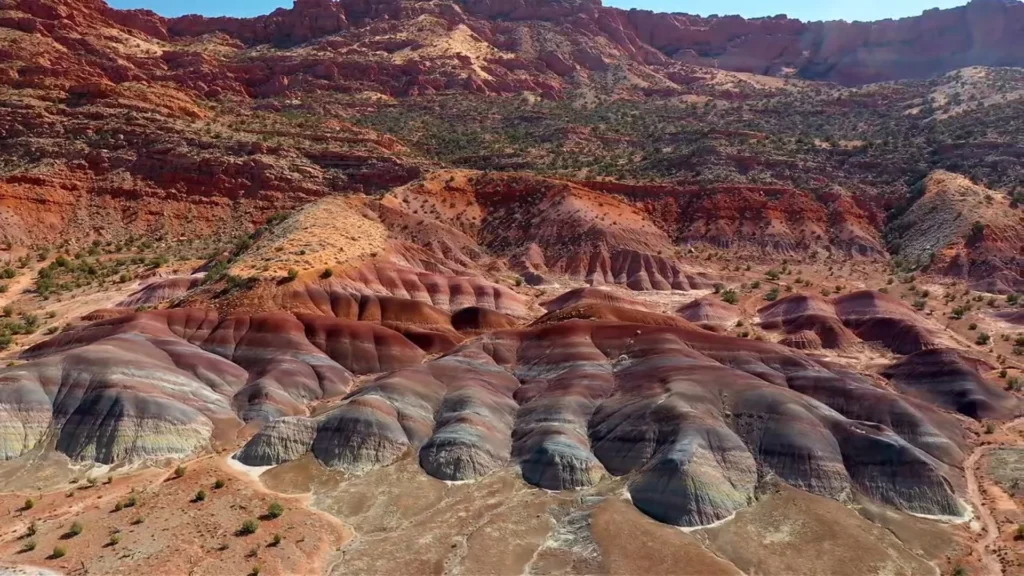
Located near the Arizona-Utah border, is a wonderland of vivid red, orange, and cream-colored cliffs that rise dramatically from the surrounding desert.
An untouched expanse of 280,000 acres of towering rock walls and canyons. It feels like you’ve stepped onto another planet.
- Best Time: Late spring or early fall.
- Tip: This is true back country. Bring a paper map, a reliable GPS, and plenty of water. There is zero cell service here.
29. The Wave (Coyote Buttes North)
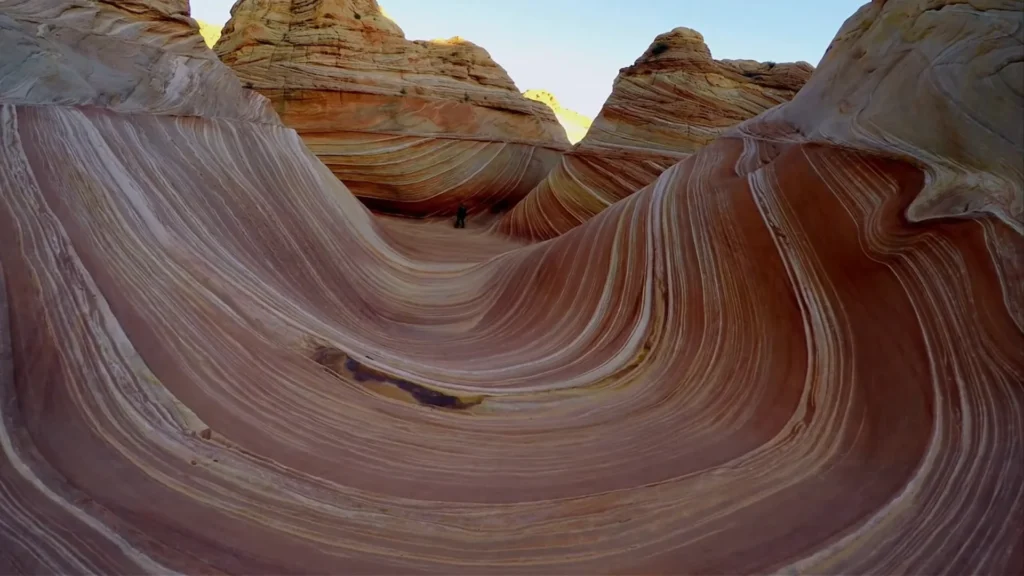
The ultimate photographer’s dream, featuring swirling, surreal sandstone formations.
This surreal landscape is tucked away in a remote corner of the Vermilion Cliffs National Monument, and you need a permit to access the area.
This spectacular natural formation is an iconic sandstone landmark famous for its colorful, undulating, and almost otherworldly wavelike patterns that look as if an artist had painted them on the rocks. Created through years of the rock being compacted, eroded, and weathered, The Wave is a masterpiece of nature’s handiwork.
- Best Time: Spring or Fall. Summer is incredibly dangerous due to heat.
- Tip: You cannot just drive up to this. Entry is strictly controlled by a daily online lottery months in advance and a walk-in lottery. If you don’t have a permit, do not attempt to hike it—the BLM rangers heavily patrol this area and will fine you.
30. Grand Falls (The “Chocolate” Waterfall)
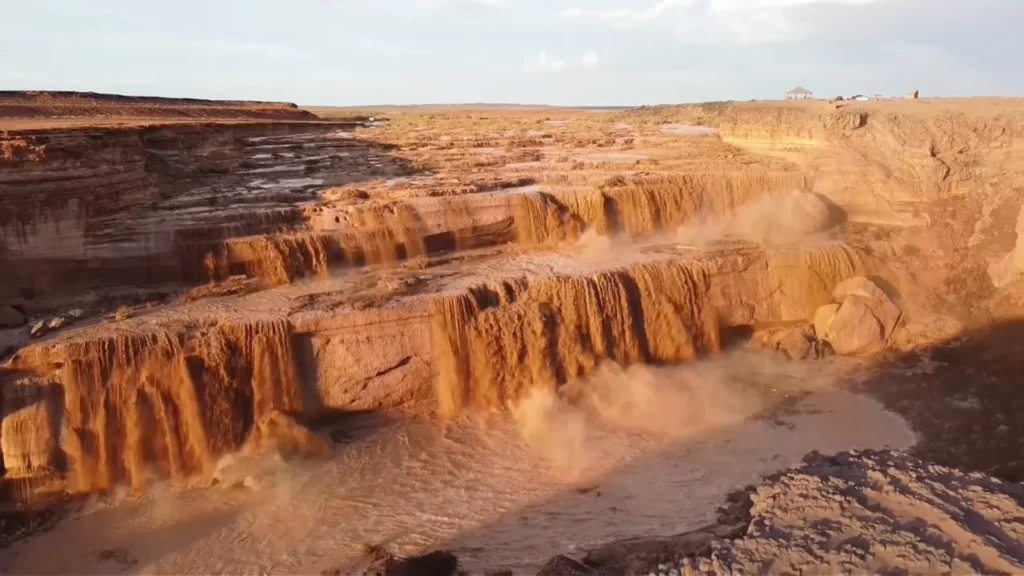
Also known as the “Chocolate Falls,” is one of Arizona’s most spectacular yet lesser-known natural wonders.
Located on the Navajo Nation near Flagstaff, this waterfall is a seasonal marvel, towering at 185 feet—making it taller than Niagara Falls. This waterfall gets its name from the sediment-rich, brown water of the Little Colorado River.
- Best Time: March–April (spring snowmelt) or during the summer monsoon season (July–August).
- Tip: It is highly seasonal! If it hasn’t rained or melted recently, the falls might just be a trickle. Check flow reports online before driving out there.
Planning Your Arizona Adventure?
This list is just the beginning. I’m excited to help you dive deeper!
Which region are you planning to explore first? Would you like a suggested 3-day itinerary focusing on Sedona’s Vortexes, the Grand Canyon, or the Southern Desert?