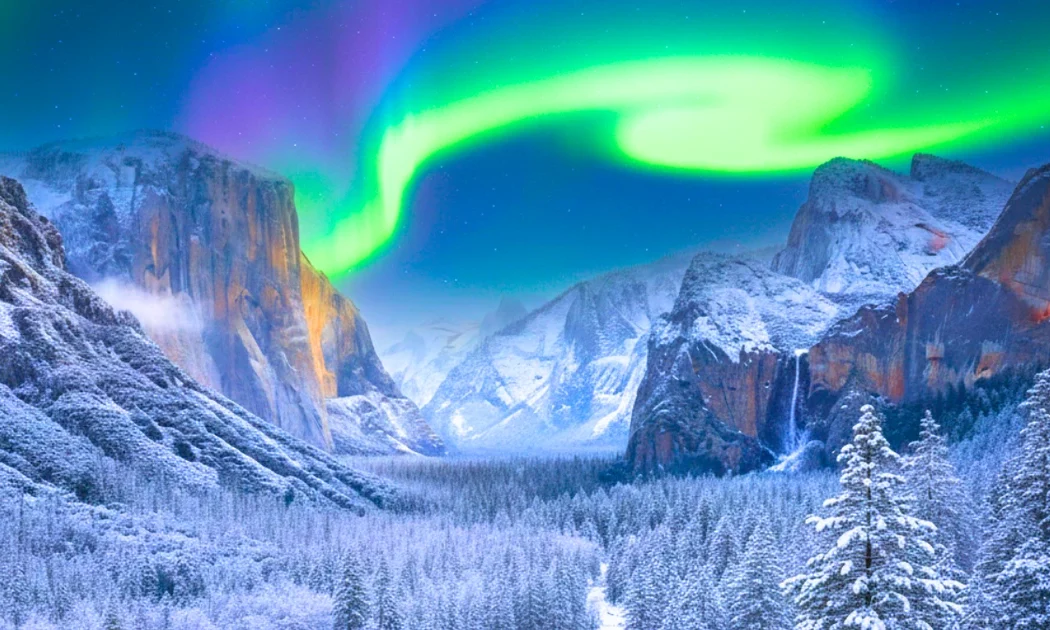
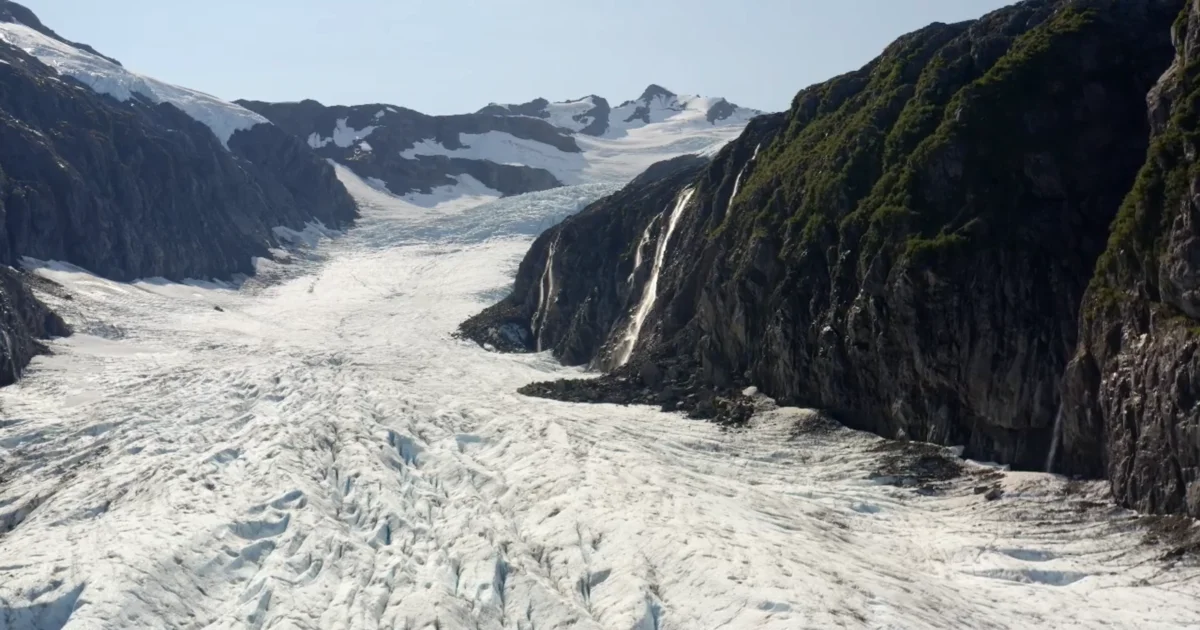
“Alaska!, “The Last Frontier!”, this is a land of extraordinary natural beauty, filled with towering glaciers, expansive wilderness, and diverse ecosystems. From the icy peaks of Denali to the serene waters of Prince William Sound, each corner of this vast state offers a unique glimpse into the raw power and splendor of nature. So, let’s explore with us few of the amazing Places To Visit In Alaska.
Denali National Park and Preserve
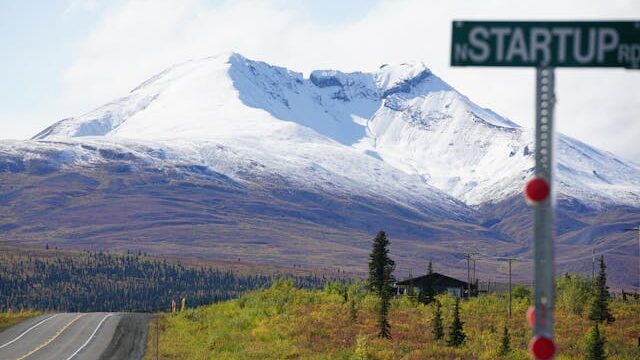
How can we tallk about Best Places To Visit In Alaska with out starting from Denali National Park!
This is the tallest peak in North America at 20,310 feet, was once called Mount McKinley.
Renamed to honor the indigenous Koyukon Athabaskan people, Denali National Park and Preserve spans over six million acres of Alaska’s pristine wilderness.
This majestic park isn’t just about towering mountains; it’s home to an incredible variety of wildlife, including grizzly bears, moose, wolves, and caribou.
You can explore the single 92-mile-long road that threads through the park, offering breathtaking views of the tundra and boreal forest. A notable event in the park’s history is the construction of the Denali Park Road in the 1930s, an engineering marvel that opened up access to this remote wilderness.
only 30% of visitors see the summit of Denali due to its frequent cloud cover. This makes every clear day feel like a gift from nature.
Whether you’re spotting the aurora borealis in winter or hiking amid vibrant wildflowers in summer, Denali offers a year-round glimpse into the untamed beauty of Alaska.
Lake Clark National Park
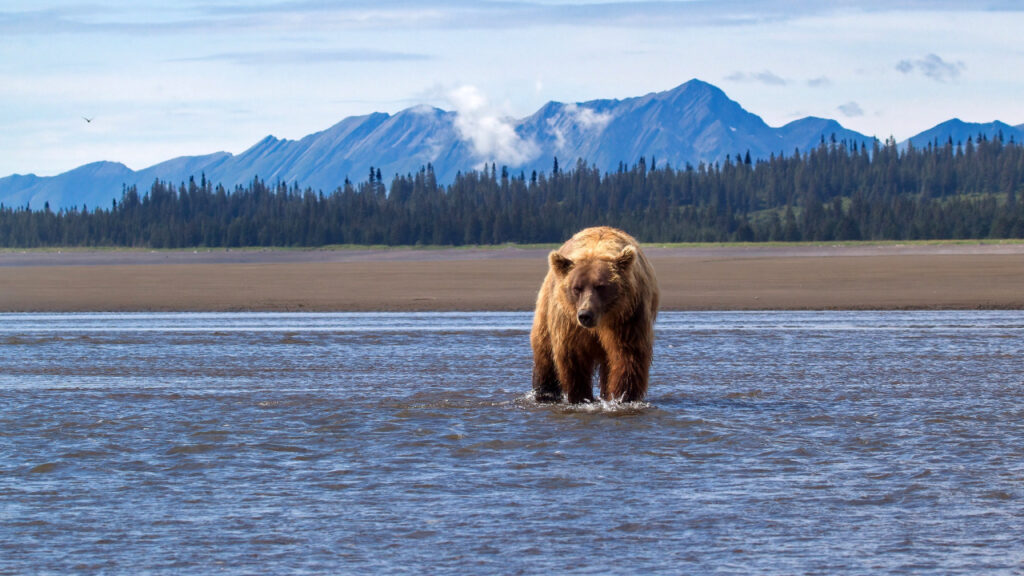
What do volcanoes, salmon runs, and turquoise lakes have in common?
They all meet in Lake Clark National Park and Preserve, one of Alaska’s most stunning and least-visited parks. That’s make this park a must visit places in Alaska trip.
Located southwest of Anchorage, the park is only accessible by floatplane or boat, which means solitude is almost guaranteed.
Named after the crystal-clear Lake Clark, swimming is technically possible but rarely practiced due to the cold temperatures.
The park features moderate to difficult backcountry trails, many without signage, making navigation a challenge for novice hikers.
The Tanalian Falls Trail is a good starting point for less-experienced hikers. Wildlife like brown bears, moose, and eagles are common, especially during the summer salmon runs that draw bears to the shores of rivers like the Kvichak.
Safety is paramount—bring a GPS, first-aid supplies, and plan for zero cell service. This is a place where you can witness volcanic activity—Mount Redoubt erupted as recently as 2009.
Try to visit in late June to mid-July for the best weather and to witness active wildlife. This park is an Alaskan gem hiding in plain sight, ideal for those craving wild beauty off the beaten path.
Kobuk Valley National Park
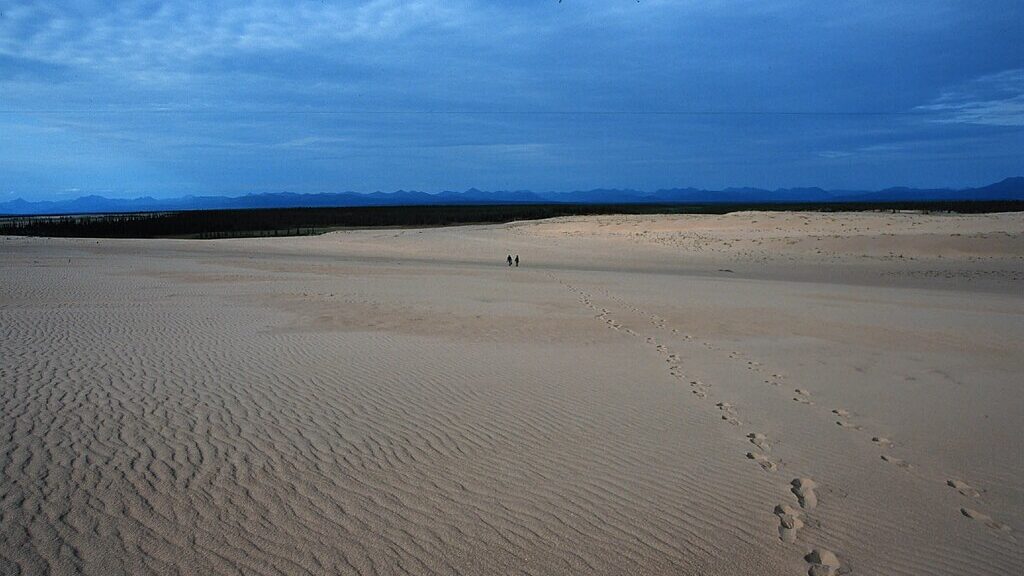
This is the park to go if you want to see a desert in the Arctic. So it is one of most unique places to visit in Alaska
Kobuk Valley National Park is home to the Great Kobuk Sand Dunes, remnants of glacial activity that now sprawl like an alien landscape across the tundra.
Located north of the Arctic Circle, this remote Alaskan park is accessible only by air, typically from the village of Kotzebue. There are no designated trails, no roads, and no visitor centers—just raw wilderness.
Hiking here means traversing tundra, gravel bars, and dunes, so difficulty varies and GPS navigation is essential.
Bugs can be intense in summer, so bug netting is a must. Because of its isolation, only a few thousand people visit each year, making this park perfect for those seeking silence and solitude.
Kobuk Valley offers a surreal, educational glimpse into both natural history and Indigenous culture.
Glacier Bay National Park and Preserve
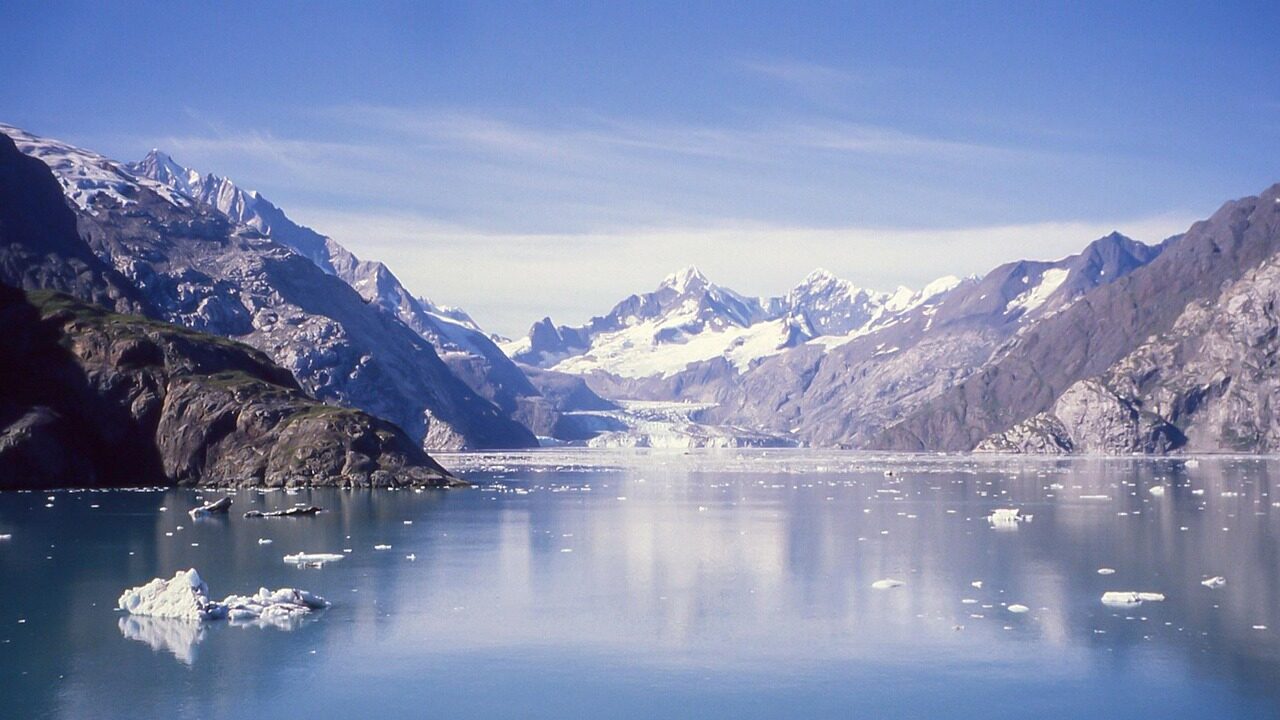
What if you could visit a place where glaciers still actively carve the land, shaping fjords and valleys in real-time?
Glacier Bay National Park and Preserve, part of a UNESCO World Heritage Site, offers this unique experience.
Located in southeast Alaska, this 3.3-million-acre park is a haven for glaciers, wildlife, and human history.
It was first explored by Europeans in 1794 when Captain George Vancouver found the bay choked with ice; today, the glaciers have retreated over 65 miles, unveiling dramatic landscapes.
The park is home to the massive Johns Hopkins Glacier, Margerie Glacier, and others that actively calve into the bay, creating thunderous splashes.
The area is a sanctuary for wildlife, including humpback whales, sea otters, and grizzly bears, and has been an essential hunting and fishing ground for the Huna Tlingit people for centuries.
You can explore the park by boat, kayak, or even from the decks of cruise ships.
Glacier Bay’s dynamic environment makes it one of the fastest-changing ecosystems in the world.
Prince William Sound
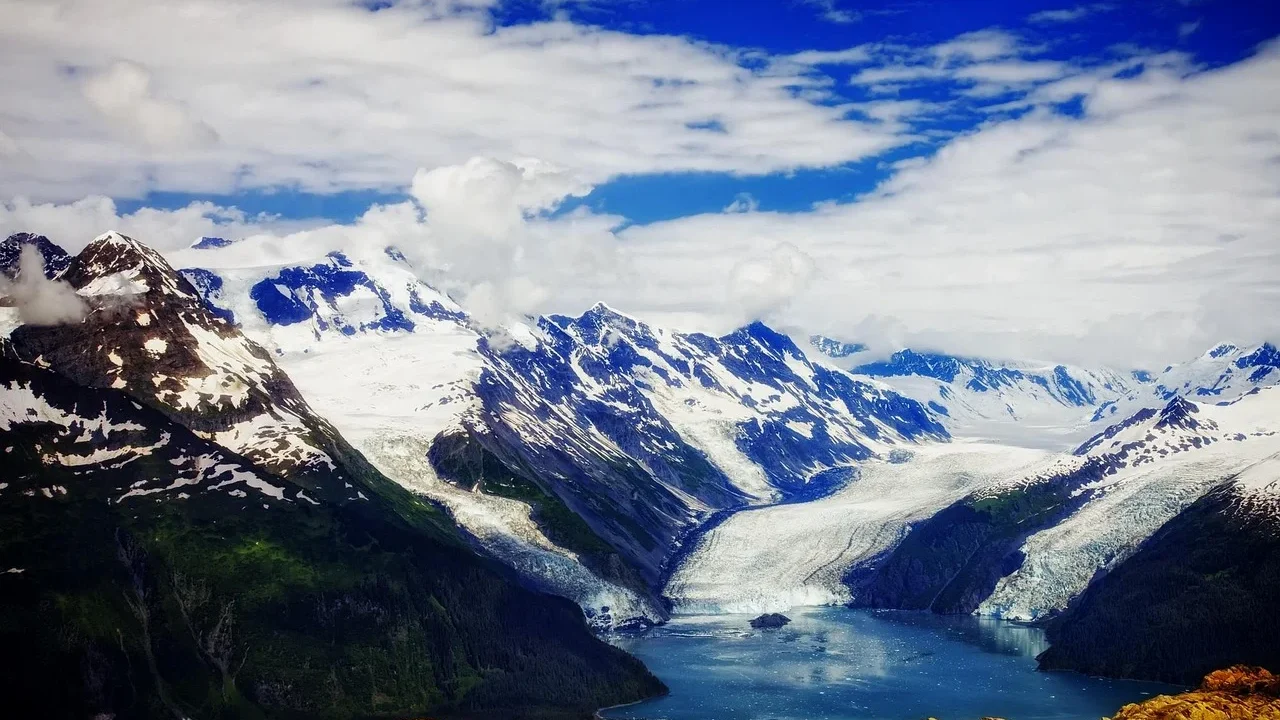
If you want to sail through a paradise of fjords and islands surrounded by glaciers and wildlife?
Prince William Sound, located in south-central Alaska, is the perfect breathtaking coastal region for it.
It is home to over 150 glaciers, including the famous Columbia Glacier, which calves massive icebergs into the waters below.
This area is also steeped in history; it was named by Captain James Cook in 1778 in honor of Prince William, who later became King William IV.
Prince William Sound gained international attention in 1989 during the Exxon Valdez oil spill, a disaster that led to significant environmental reforms and a recovery effort that continues today.
Despite this, the region remains rich in wildlife, including sea lions, otters, whales, and countless seabirds.
You can kayak through serene waters, explore fishing villages like Whittier and Valdez, or embark on a glacier cruise to witness the Sound’s pristine landscapes.
The Sound’s unique geography shields it from harsh ocean waves, creating a haven for boating and marine exploration.
Chugach National Forest
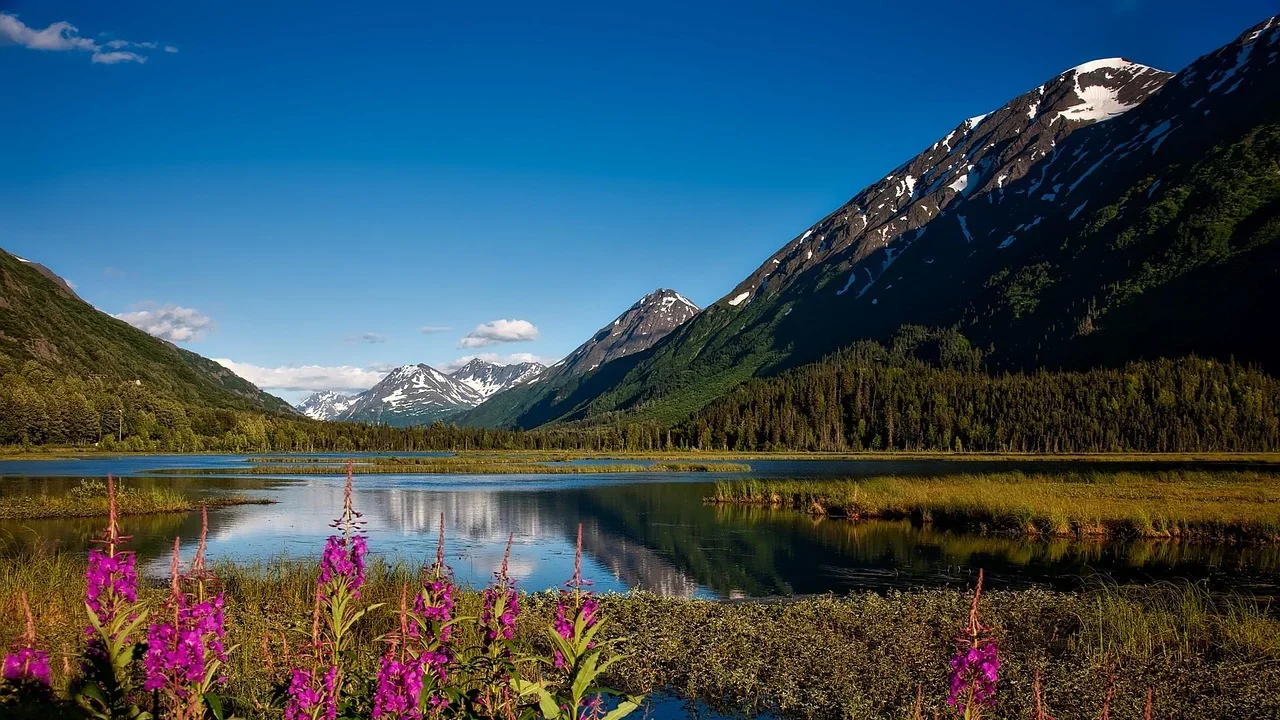
Covering nearly 6 million acres, Chugach National Forest is one of the largest national forests in the United States.
Located in south-central Alaska, it stretches from Prince William Sound to the Kenai Peninsula, encompassing a breathtaking array of ecosystems, from coastal rainforests and glaciers to alpine tundra.
Established in 1907, the forest is named after the Chugach people, an indigenous group who have lived in the region for thousands of years.
One of its most famous landmarks is the Spencer Glacier, accessible by the Alaska Railroad, making it a must-visit for adventure seekers.
Chugach National Forest is a treasure trove of wildlife, home to bald eagles, black and brown bears, moose, and salmon-rich rivers.
It also played a significant historical role as a vital route for the Alaska gold rush in the late 19th century.
Today, you can explore its beauty through countless activities, including hiking, kayaking, skiing, and fishing.
Ther Portage Valley within the forest, is a popular destination where you can view remnants of glaciers and learn about the region’s glacial history.
Whether you’re navigating its wild rivers or standing beneath towering ice-capped peaks, Chugach National Forest is a perfect gateway to Alaska’s natural wonders.
Portage Glacier
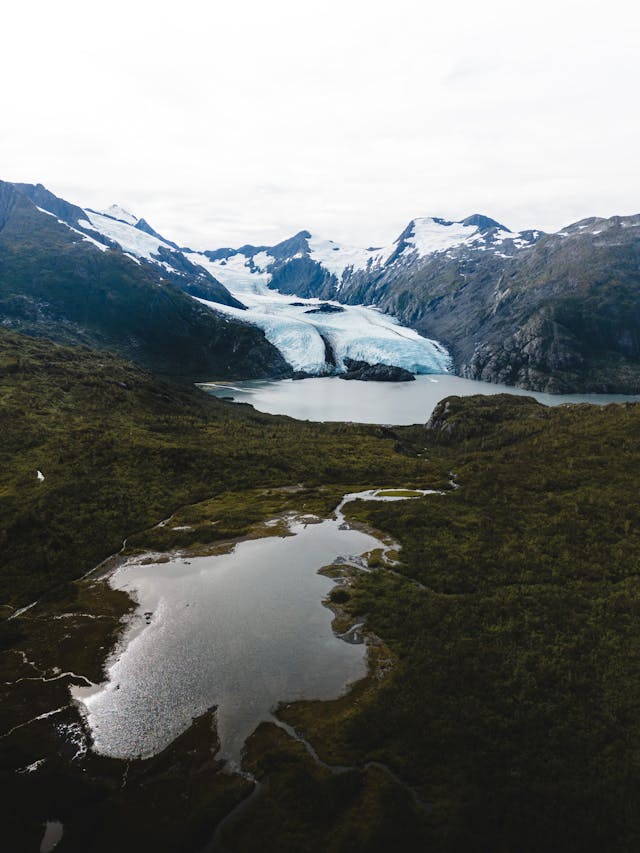
Did you know that Portage Glacier was once a towering sight visible from the highway but has since retreated out of view?
Located about an hour’s drive from Anchorage, this glacier sits in the Chugach National Forest and remains one of Alaska’s most visited attractions.
You can still see Portage Glacier up close by taking a boat tour across Portage Lake, where they’ll witness its massive icy face calving into the water. The area has a fascinating history tied to Alaska’s gold rush era when Portage Pass served as a vital route for miners.
The nearby Begich, Boggs Visitor Center offers interactive exhibits on glaciology and the region’s natural history. Wildlife in the area includes moose, mountain goats, and migratory birds, while nearby hiking trails, like the Byron Glacier Trail, offer spectacular views of the surrounding mountains and glaciers.
Did you know Portage Glacier is a remnant of the massive ice field that once blanketed the region during the last Ice Age? Its breathtaking beauty makes it a must-see for adventurers and history buffs alike.
Kenai Fjords National Park
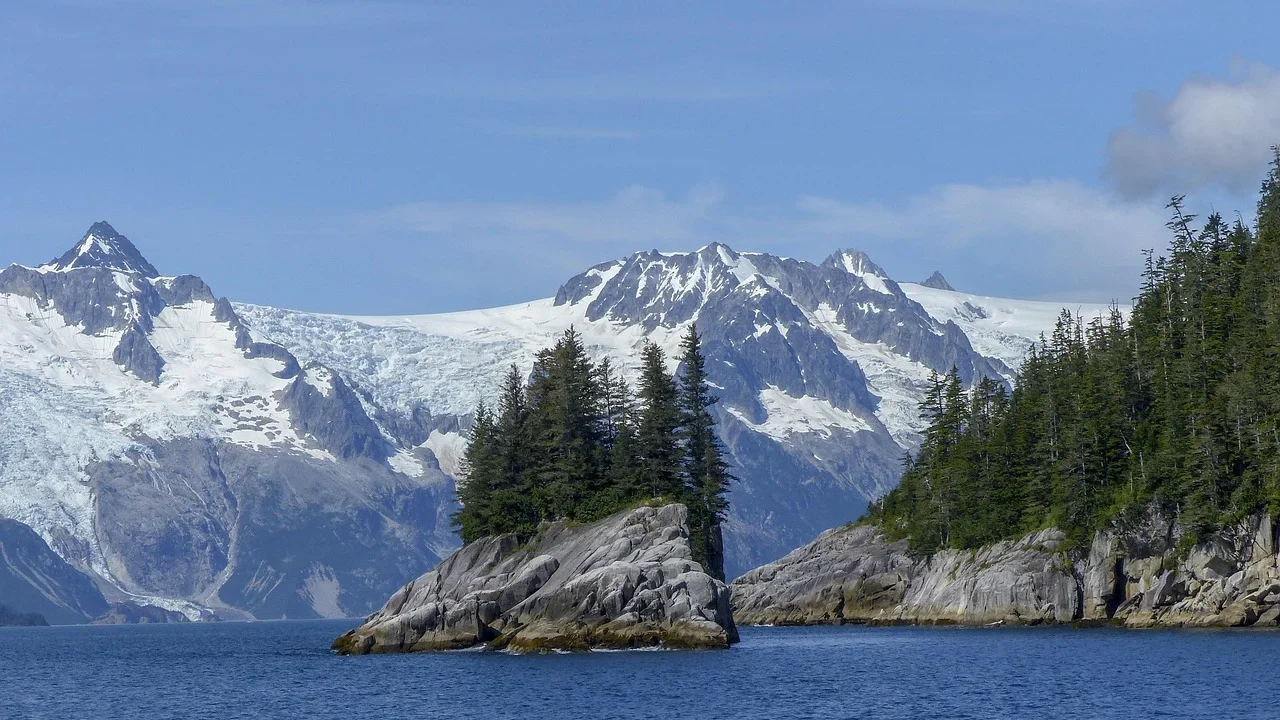
Ever wondered what it’s like to step back into the Ice Age?
At Kenai Fjords National Park, you can do just that! Home to the massive Harding Icefield, this park features over 40 glaciers flowing down into valleys and fjords.
The park’s rugged coastline teems with marine life such as orcas, humpback whales, sea otters, and puffins, making it a haven for wildlife enthusiasts. The region also carries a fascinating human history—its name derives from the indigenous Sugpiaq people, who lived off the rich coastal resources for thousands of years.
In 1980, Kenai Fjords became a national park, preserving its incredible glacial landscapes and biodiversity.
Exit Glacier, one of the park’s most accessible glaciers, has been a key site for climate change studies, as scientists track its retreating ice.
Turnagain Arm
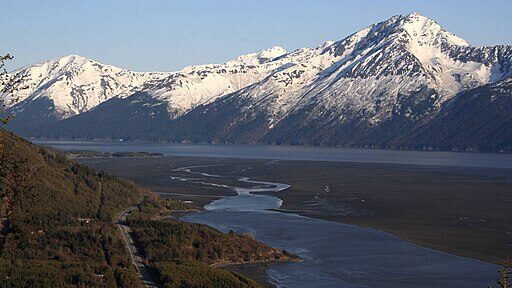
Did you know Turnagain Arm has one of the most extreme tidal ranges in the world, with differences of up to 40 feet between high and low tides?
This stunning waterway, located near Anchorage, is a natural marvel of Alaska, surrounded by snow-capped peaks and lush forests.
Named by British explorer Captain James Cook in 1778, Turnagain Arm earned its name when Cook was forced to “turn again” as he searched unsuccessfully for the fabled Northwest Passage.
The area is also famous for its dramatic bore tides—waves of seawater that rush through the narrow channel, sometimes reaching heights of 10 feet. Wildlife thrives here, too; it’s common to spot beluga whales hunting salmon in the waters or Dall sheep grazing on the cliffs above.
The Seward Highway, which runs along Turnagain Arm, offers some of the most scenic drives in the world, with frequent pullouts for hiking trails, waterfalls, and incredible vistas.
If you time your visit with the tides, you might even witness this dynamic natural phenomenon in action!
Katmai National Park and Preserve
Ever heard of the Valley of Ten Thousand Smokes?
This incredible volcanic landscape in Katmai National Park and Preserve was formed by the Novarupta eruption of 1912, the largest volcanic eruption of the 20th century.
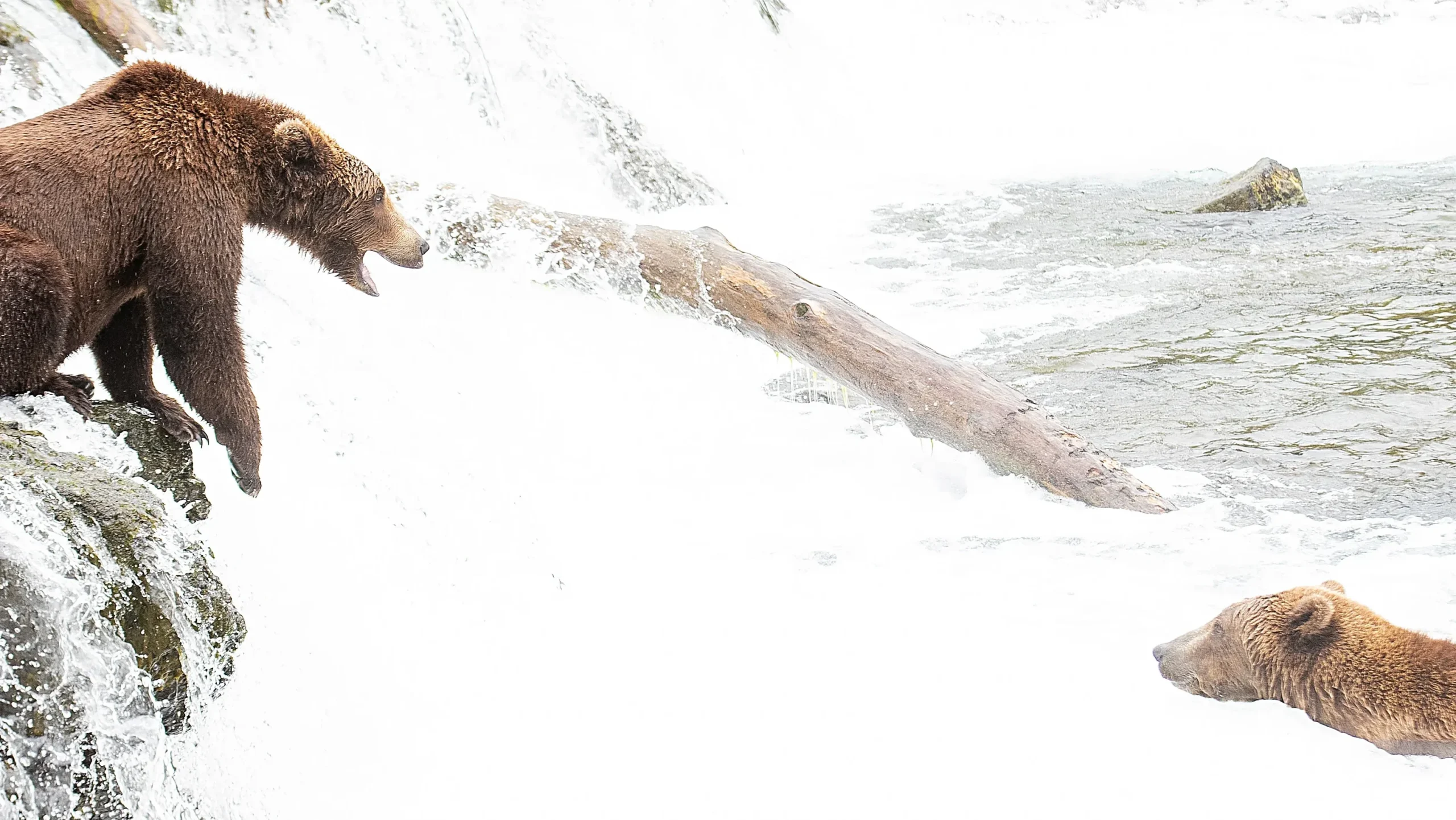
Katmai, located on the Alaska Peninsula, spans over four million acres of pristine wilderness, and it’s most famous for its brown bears.
Every summer, these iconic bears gather at Brooks Falls to catch leaping salmon, creating one of nature’s most awe-inspiring spectacles.
The park also preserves the ancestral lands of the Alutiiq people, who have lived in harmony with the land for thousands of years.
Designated a national park in 1980, Katmai protects both its unique geological features and its abundant wildlife.
the park’s name comes from Mount Katmai, a volcano with a crater lake at its summit.
For adventurers, Katmai offers opportunities to explore untouched landscapes, kayak through coastal fjords, or hike across its surreal volcanic terrain. It’s a destination that perfectly combines natural drama and historical intrigue.
Kachemak Bay State Park
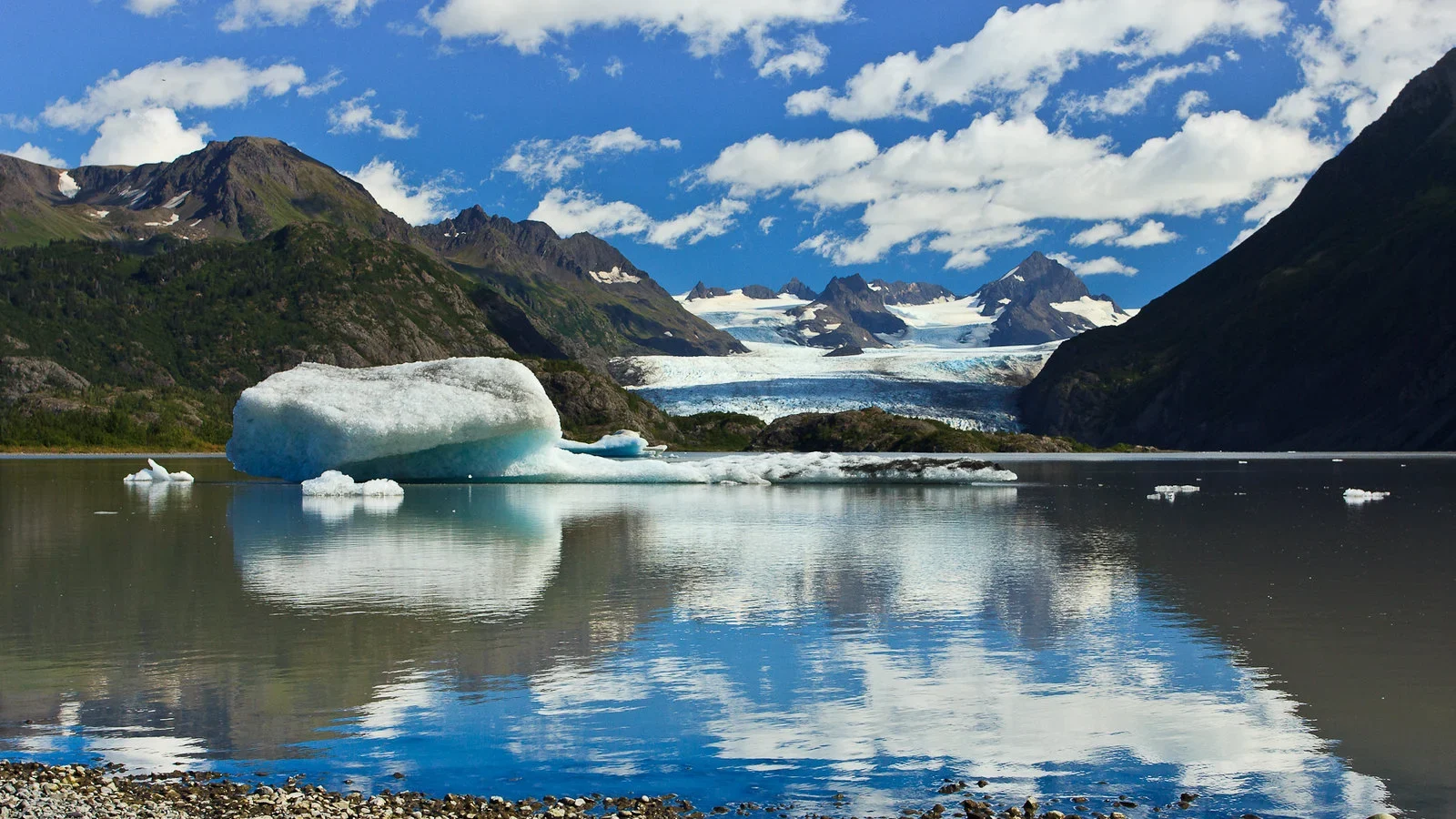
The Kachemak Bay State Park was Alaska’s first state park and it was established in 1970.
Located near Homer, this park spans over 400,000 acres of rugged coastline, glacier-capped mountains, and dense forests, offering a true wilderness experience.
The park is renowned for its biodiversity; its tidepools teem with starfish, sea anemones, and crabs, while the skies are frequented by bald eagles and seabirds. The bay itself is a vital habitat for otters, seals, and humpback whales.
Accessible only by boat or plane, Kachemak Bay is a haven for outdoor enthusiasts, offering hiking trails like the challenging trek to Grewingk Glacier, where you can stand on ancient ice.
The area also has a rich cultural history—indigenous Alutiiq people lived here for thousands of years, relying on the bay’s rich marine life.
Did you know the bay’s waters are part of the “halibut capital of the world,” attracting fishing enthusiasts from across the globe?
Whether you’re exploring its scenic coves or marveling at its wildlife, Kachemak Bay offers a quintessential Alaskan adventure.
Gates of the Arctic National Park
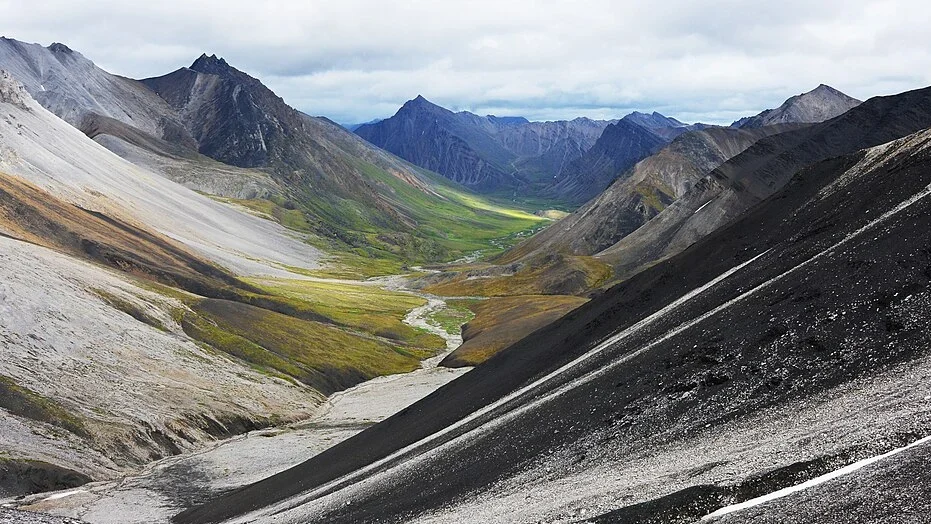
Imagine a place so remote and untouched that no roads, trails, or campgrounds exist—welcome to Gates of the Arctic National Park, the crown jewel of wilderness exploration.
This park, located entirely above the Arctic Circle, spans over eight million acres and preserves the heart of Alaska’s Brooks Range. It was named by explorer Bob Marshall in 1930, who was struck by the grandeur of two mountains—Frigid Crags and Boreal Mountain—that seemed like “gates” to the Arctic.
Gates of the Arctic is not just a haven for adventurers but also a cultural landscape, as it is home to the native Nunamiut people, who have lived sustainably in the region for centuries.
The park was designated in 1980 to protect both its wild beauty and cultural significance.
Did you know that this park is one of the least visited in the U.S., creating an ideal destination for solitude seekers? With its sprawling valleys, glacial rivers, and roaming caribou herds, Gates of the Arctic offers a chance to experience the raw, unfiltered beauty of the far north.
Tongass National Forest
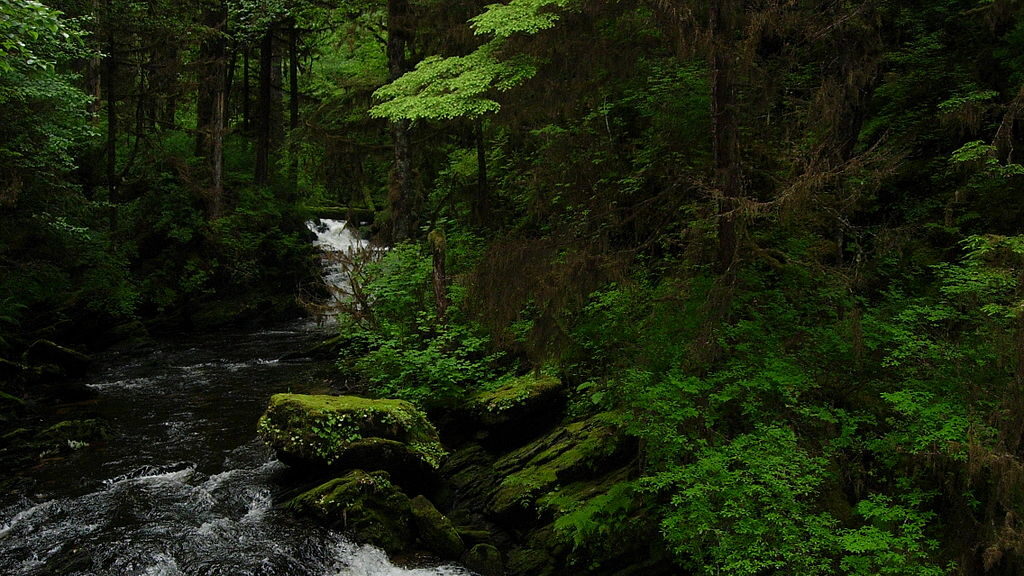
Did you know that Tongass National Forest is the largest national forest in the United States, spanning an incredible 16.7 million acres?
Located in southeast Alaska, this temperate rainforest is a lush expanse of towering Sitka spruce, western hemlock, and cedar trees. It’s home to a diverse array of wildlife, including black and brown bears, bald eagles, and salmon-filled rivers.
Established in 1907, Tongass is named after the Tongass clan of the Tlingit people, who have relied on the forest’s resources for thousands of years. One of the forest’s most iconic features is the Misty Fjords National Monument, known for its dramatic cliffs, waterfalls, and serene fjords.
The forest also contains remnants of Alaska’s gold rush history, with old mining sites and ghost towns hidden among the trees.
Tongass plays a critical role in fighting climate change by storing vast amounts of carbon in its ancient trees
Whether you’re hiking through its lush trails, kayaking its waterways, or simply soaking in its serene beauty, Tongass offers an unparalleled glimpse into Alaska’s wild heart.
Mendenhall Glacier
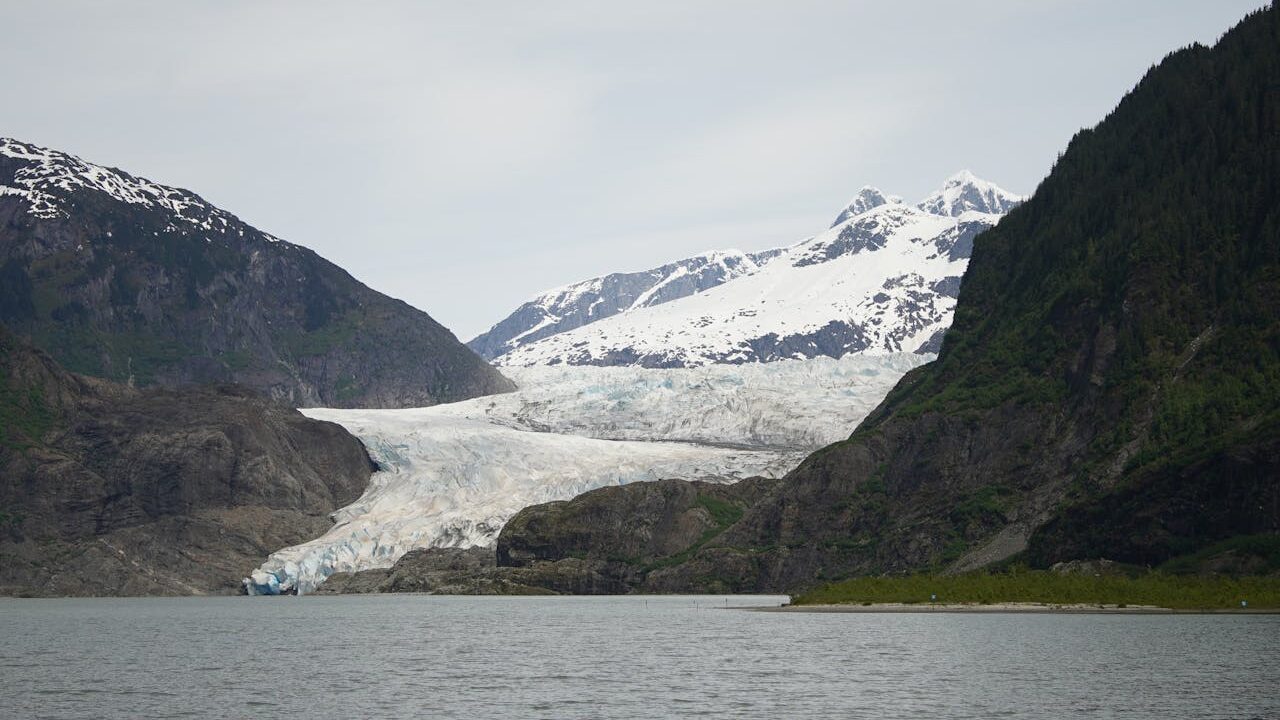
The Mendenhall Glacier, located just 12 miles from Juneau, Alaska’s capital, is one of the most accessible glaciers in the state.
Stretching 13 miles from the Juneau Icefield to Mendenhall Lake, this stunning river of ice offers a glimpse into the region’s glacial history.
The glacier was originally known as Sitaantaagu by the Tlingit people, meaning “the glacier behind the town.” Later, it was renamed in honor of physicist and meteorologist Thomas Corwin Mendenhall.
A significant feature of Mendenhall is its rapid retreat, a stark reminder of climate change. Visitors to the glacier can explore the Mendenhall Glacier Visitor Center, hike nearby trails like the Nugget Falls Trail, or even kayak on the lake to witness its majestic blue ice up close.
The area is also teeming with wildlife—bald eagles, black bears, and sockeye salmon are common sights. Whether you’re marveling at icebergs floating in the lake or exploring the intricate ice caves beneath the glacier, Mendenhall offers an unforgettable encounter with Alaska’s natural wonders.
Taku Glacier
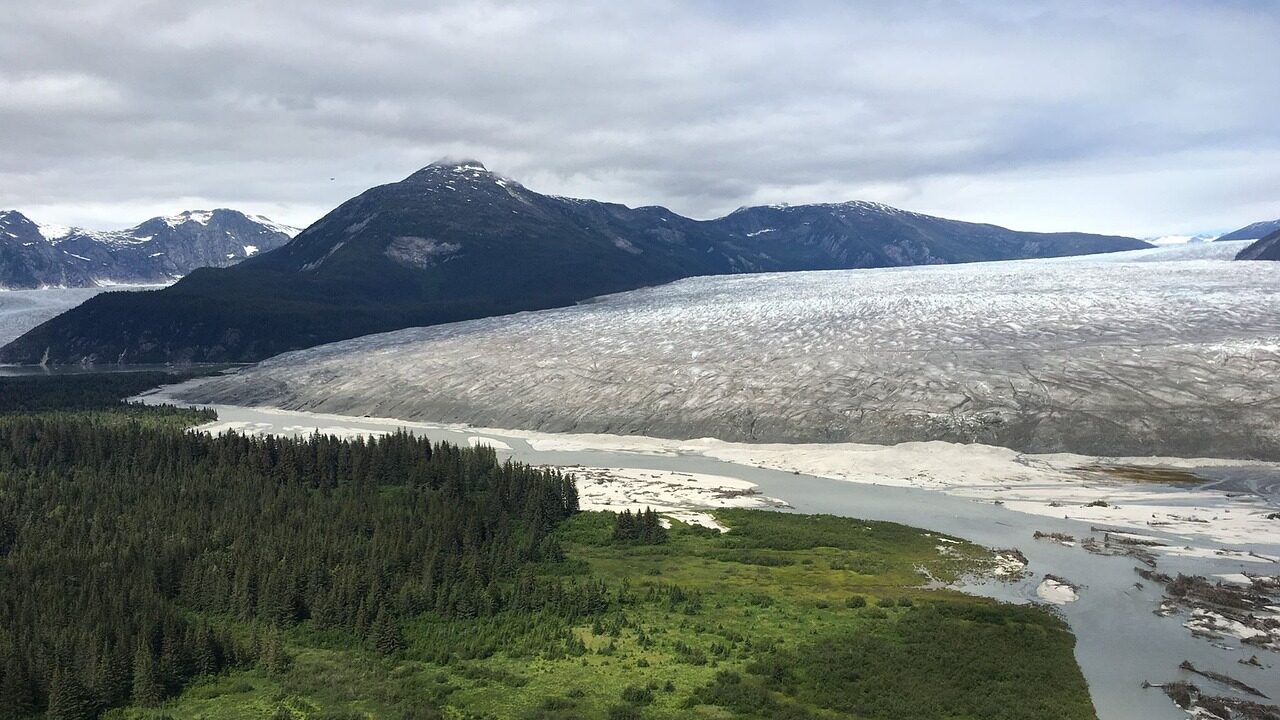
This is one of the few glaciers in the world that has been advancing rather than retreating for much of modern history.
Located near Juneau, Taku Glacier is part of the Juneau Icefield and is the largest glacier in the region, spanning 36 miles in length.
Named after the Taku people of the Tlingit Nation, this icy giant has fascinated explorers for centuries.
Unlike many other glaciers impacted by global warming, Taku Glacier’s unique location and climate conditions allowed it to grow until recently, though it began showing signs of retreat in the last decade.
Accessible primarily by air or boat, Taku Glacier offers a dramatic sight, with towering blue ice walls and massive chunks calving into Taku Inlet.
the glacier has been studied extensively by the Juneau Icefield Research Program since the 1940s, providing invaluable data about glacial dynamics
A visit to Taku Glacier isn’t just a journey into Alaska’s icy past—it’s a chance to witness the ever-changing nature of its landscapes.
Matanuska Glacier
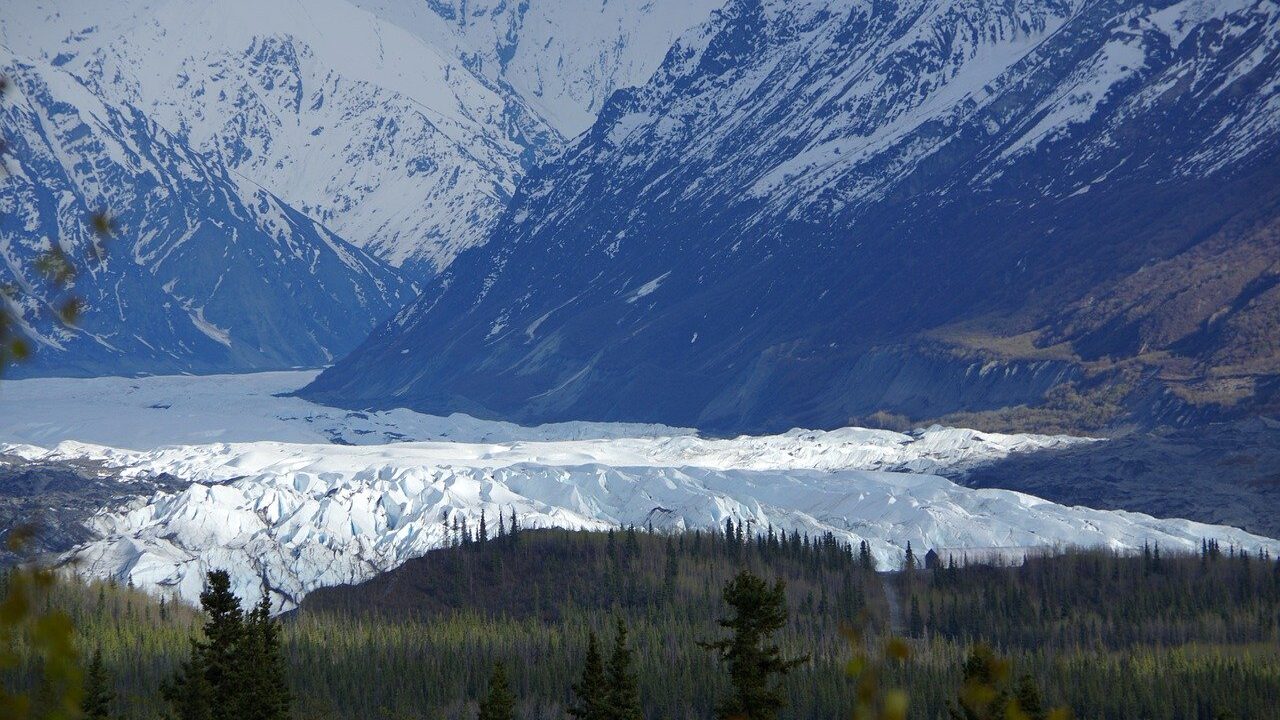
Matanuska Glacier located about 100 m Northeast of Anchorage this 27m long Glacier is a magnificent remnant of the Ice Age this is the largest glacier accessible by car in the United States.
It lies near the Glenn Highway about 100 m Northeast of Anchorage in Glacier View
You can explore its icy expanse through guided tours, which provide the chance to marvel at the glacier’s deep blue crevasses and sparkling ice formations.
Matanuska is a living classroom for geology enthusiasts, offering insights into glacial formation, movement, and retreat. The surrounding valley is equally stunning, filled with alpine scenery and rich in wildlife such as moose and Dall sheep.
The glacier was named in the late 19th century after the Matanuska River, which flows from its terminus.
The area also has ties to Alaska’s pioneering history, as settlers established agricultural colonies nearby during the Great Depression. Whether you’re an adventurer seeking a thrilling hike or a nature lover wanting to witness glacial majesty up close, Matanuska Glacier is a must-see destination in Alaska.
In Conclution..
I hope now you are enchanted with Alaska right now. Hope this amazing list of must visit places in Alaska will inspire you with yout next trip.
so what is your favorite place in Alaska tell us in the comment section we’d love to know if you enjoyed!
see you guys on our next Journey until then Happy travels